
The Best Healthy Drink Trends for 2025
By Craig R
The Best Healthy Drink Trends for 2025
By XGRITX Editorial Team · Updated 2026-07-29
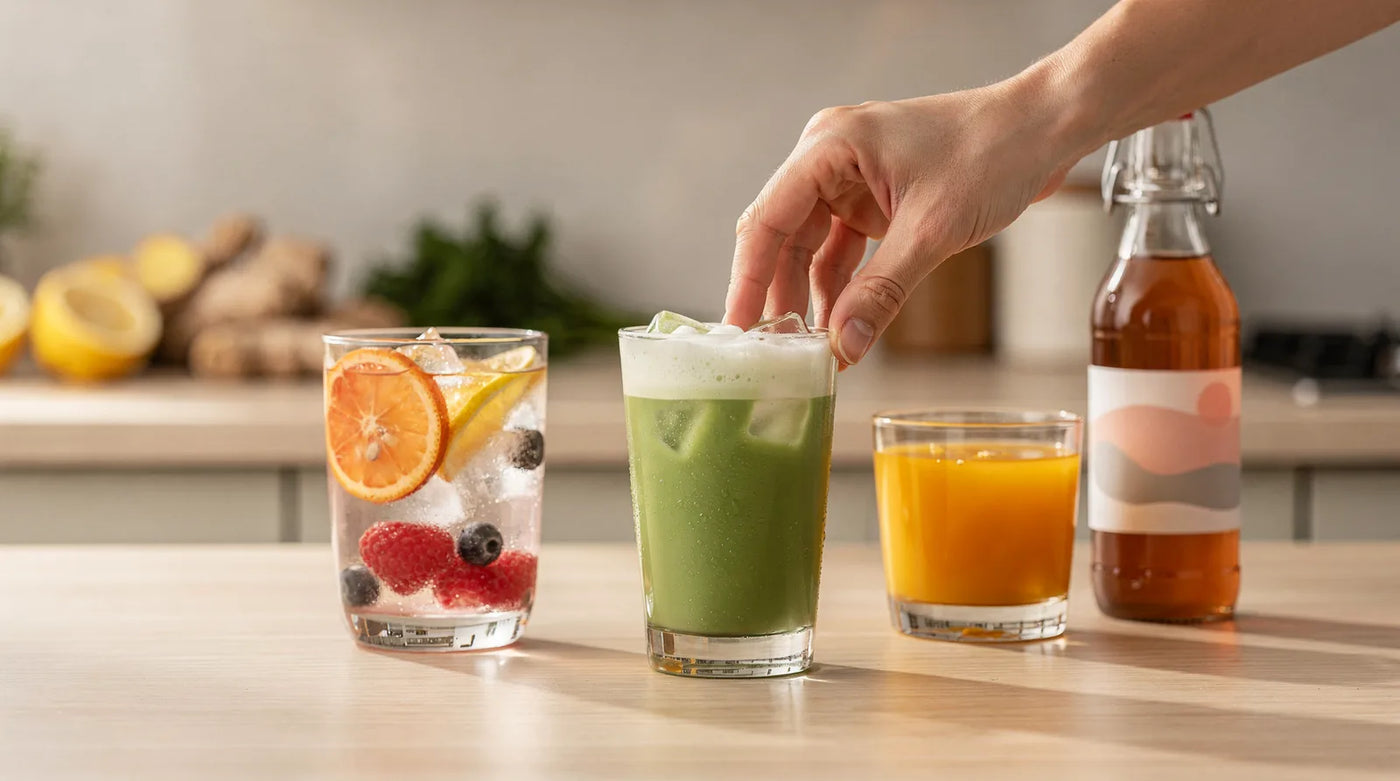
Healthy drink trends 2025 center on functional beverages that boost energy. Support wellness during demanding routines, according to the National Restaurant Association's 2025 What's Hot Culinary Forecast. Numerator's Beverage Behaviors Report confirms this shift, showing consumers favor drinks matching real schedules over trend-chasing, mirroring how XGRITX designs supplements around actual shift demands rather than casual lifestyle marketing.
What Are Healthy Drink Trends in 2025?
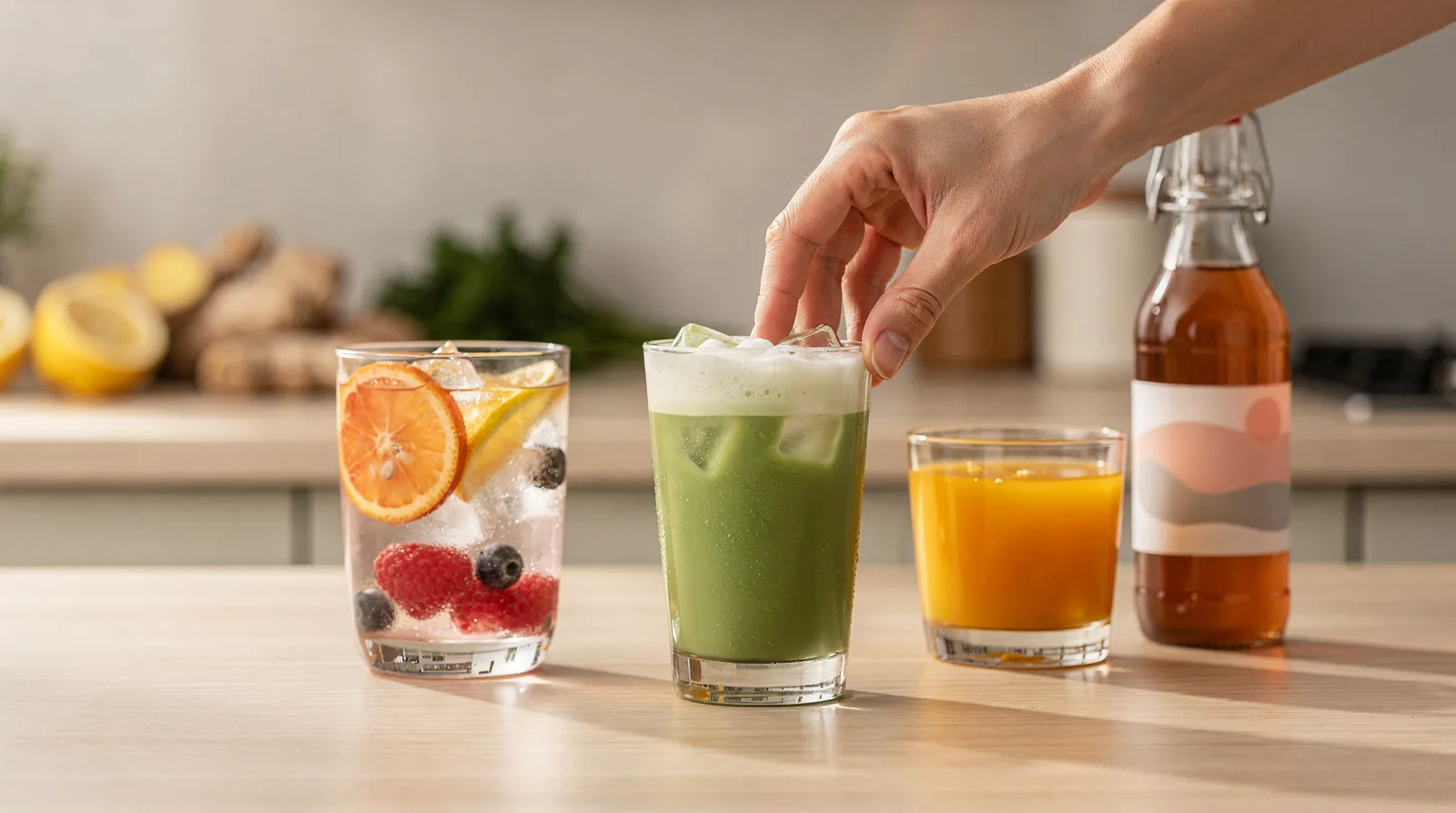
Healthy drink trends in 2025 center on function over flavor alone. A drink now gets judged by what it does for the body, not just how it tastes going down. Formulators build recovery drinks, energy drinks, and hydration mixes for specific outcomes: sustained alertness through a long shift, faster muscle recovery, joint support during repetitive physical work. That shift mirrors a broader idea in the beverage industry. Drinks function as everyday wellness tools tied to how people want to feel, rather than simple thirst relief.
Spending patterns back this up. Non-alcoholic, health-oriented beverages are growing faster than alcohol, signaling a real pivot in consumer priorities rather than a passing fad.
Why are protein drinks so popular right now?
The protein drink category benefits directly from this functional mindset. Shoppers want a clear protein drink that looks refreshing instead of chalky, plus a nutritional protein drink built around real recovery science, not just marketing copy. Demand for protein drink sugar free formulas keeps rising too, since consumers increasingly reject added sugar even in "healthy" categories.
What makes a drink trustworthy in 2025?
Transparency separates real functional beverages from hype. Third-party lab testing, drug-test-safe formulation, and clear ingredient labeling now signal credibility more than trendy packaging ever could.
Gut Health, Prebiotic Soda, and the Rise of Functional Hydration
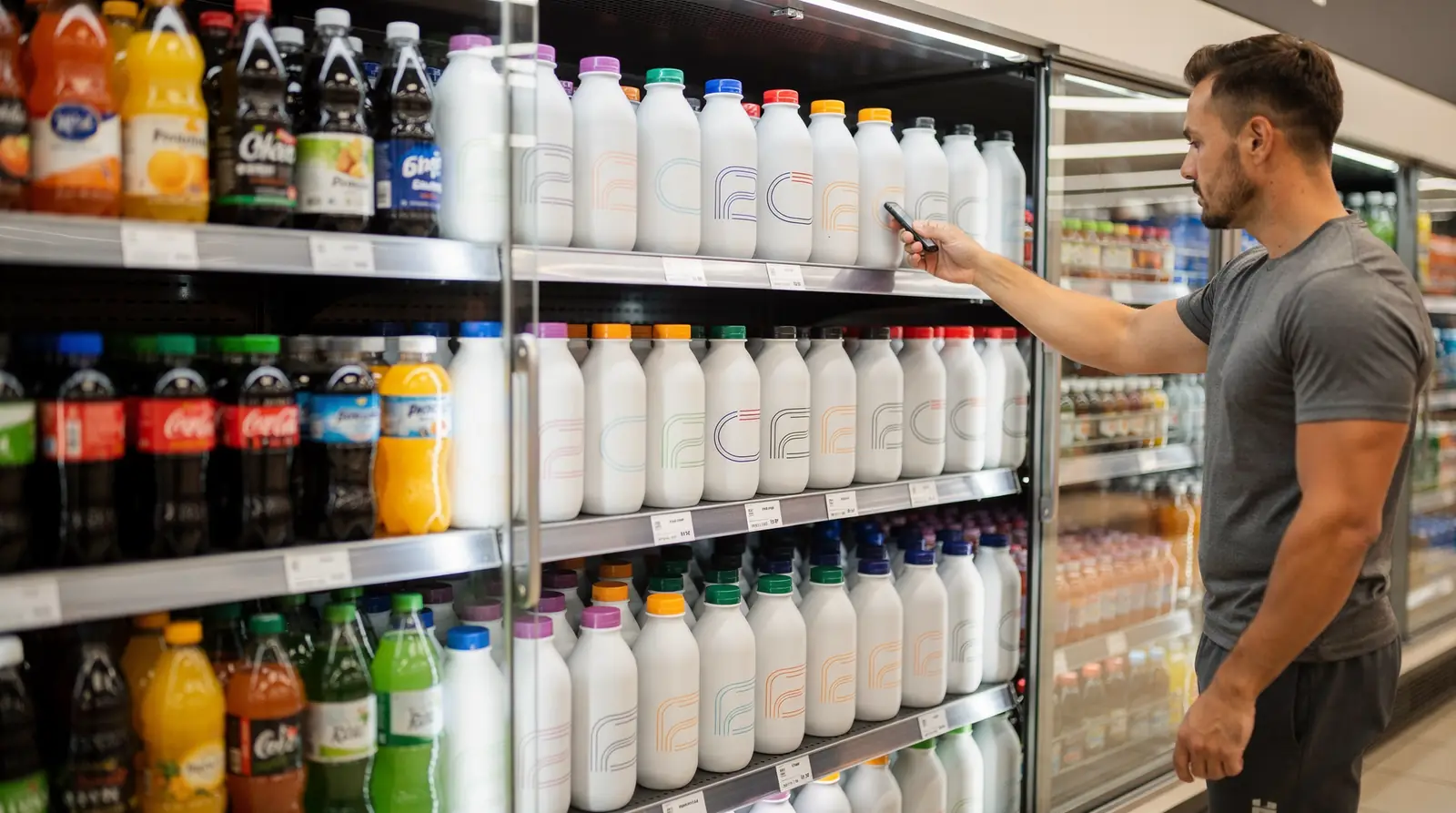
Beyond protein, gut health drinks have become one of the fastest-growing corners of the functional beverage aisle. Shoppers are treating digestion as a daily maintenance job rather than an occasional fix, and that mindset has pushed prebiotic soda from a niche health-store item into a mainstream soft-drink alternative. These sodas swap high-fructose syrup for fiber-based prebiotics and natural sweeteners, giving workers a fizzy break that supports digestion instead of a straight sugar spike.
Zero-sugar soda is riding the same wave, but for a different reason: taste expectations have finally caught up with health goals. Someone on a physically demanding shift still wants the familiar carbonated kick, just without the crash that follows a sugar-loaded can. Brands responding to that demand are reformulating classic flavors around zero-sugar bases rather than treating "diet" as an afterthought line extension.
Adaptogen drinks — built around ingredients like ashwagandha, reishi, and cordyceps — are following the same real-schedule-over-trend pattern as gut health drinks. Instead of promising a vague sense of calm, they're marketed around specific outcomes: stress recovery after a long shift, or steadier energy through a double.
Functional hydration ties all of this together. Electrolyte mixes formulated for people who sweat through a full workday, not just athletes, now sit on the shelf next to protein and gut health drinks, reflecting the same underlying shift: beverages built around what a body actually needs to get through the day, not just what tastes good going down.
Are gut health drinks and prebiotic soda replacing regular soft drinks?
They're carving out real shelf space rather than replacing soda outright. Prebiotic soda and zero-sugar soda both compete directly with traditional soft drinks by matching the format — carbonation, familiar flavors — while swapping in functional ingredients, which is why they're gaining traction with shoppers who aren't ready to give up a soda habit entirely.
Why are adaptogen drinks gaining traction with physical workers specifically?
Adaptogen drinks appeal to people managing physical and mental fatigue across long shifts, not just stress in the abstract. Framing ingredients like ashwagandha around shift recovery, rather than general wellness, mirrors how XGRITX frames its own supplements: built for the demands of the job, not casual lifestyle marketing.
Why Are Protein Drinks Driving Beverage Growth?
Formulation priorities explain the surge. Protein sits alongside adaptogens and plant-based additions as one of the top ingredients shaping 2025 drink development. Brands strip out alcohol, sugar, and artificial fillers. That shift toward function over flavor gimmicks marks a turning point for the category.
Recovery framing is a major driver of this growth. A protein drink built from whey isolate gets positioned specifically for post-shift or post-workout recovery, not casual sipping. BCAA-based options push further into hydration territory, pairing amino acids with electrolytes so muscles recover while fluid levels get restored. These formulas function less like dessert substitutes and more like recovery tools.
What makes a protein drink "nutritional" versus just tasty?
A nutritional protein drink delivers measurable recovery value: amino acid profiles, electrolyte content, and clean labeling consumers can verify. Wellness has become baseline, not bonus — shoppers expect ingredient transparency and functional payoff before they'll pay a premium.
Do clear or sugar-free formats matter for growth?
Format diversity matters. A clear protein drink appeals to shoppers wanting protein without heavy dairy texture. protein drink sugar free versions strip out added sugar without sacrificing amino acid content. Many consumers stack these drinks with creatine powder for strength, rounding out a full recovery routine built on layered, purpose-driven nutrition rather than a single miracle beverage.
What Makes a Sugar-Free Protein Drink Trustworthy?
Trustworthiness starts with proof, not marketing copy. A credible drink discloses every ingredient and backs its label with independent lab results, including verification that it stays clear of banned substances. Shoppers scanning a protein drink shelf should treat lab testing and drug-test-safe status as non-negotiable, not bonus features.
Does a sugar-free protein drink still need to taste good?
Yes. The bar for better-for-you beverages now includes flavor, not just nutrition. A clear protein drink or a sugar-free formula has to deliver on digestion support, mental focus, and immune benefits while still tasting like something a person wants to finish. Formulas that sacrifice taste for function tend to lose repeat customers fast.
Function matters more than image. A serious nutritional protein drink is built for sustained output across long, physically demanding days, not for looking good in a gym photo. That shift favors durability over novelty.
Convenience seals the deal. A trustworthy protein drink sugar free option comes ready to grab on the way out the door:
- Transparent, third-party-verified ingredient list
- No hidden sugars or banned compounds
- Functional benefits beyond basic nutrition
- Grab-and-go packaging for busy schedules
The healthy drink landscape of 2025 reflects a workforce demanding more from their beverages—functional performance that matches the intensity of their workday. Whether prioritizing sustained energy, joint support, or recovery, today's drinks deliver transparency and results without compromise. The shift toward industrial-grade formulations built for demanding physical labor signals a broader recognition: workers deserve beverages engineered with the same durability and reliability they bring to their jobs. This evolution continues reshaping how the workforce fuels performance.