

Twelve hours on your feet, on a dock, or on a unit changes what "dinner" even means. Your body doesn't care what the clock says outside; it still wants fuel at the right moments to keep you sharp, steady, and not crashing by 3 a.m.
We built XGRITX around exactly this problem. Founder Craig Roberts spent more than 20 years in warehouse operations, and the brand's whole approach comes from watching coworkers run on vending machine snacks and bad coffee through a full shift. The strongest night shift meal prep plan for 12-hour shifts pairs a real anchor meal before you clock in with smaller protein-forward meals during the night and a light bite after, built around foods that pack cold, heat on break, or need no microwave at all. Below are ten meals that fit that rhythm, plus the timing and packing details that keep them working shift after shift.
1) XGRITX Hydration Formula With Turkey, Rice, and Roasted Vegetables
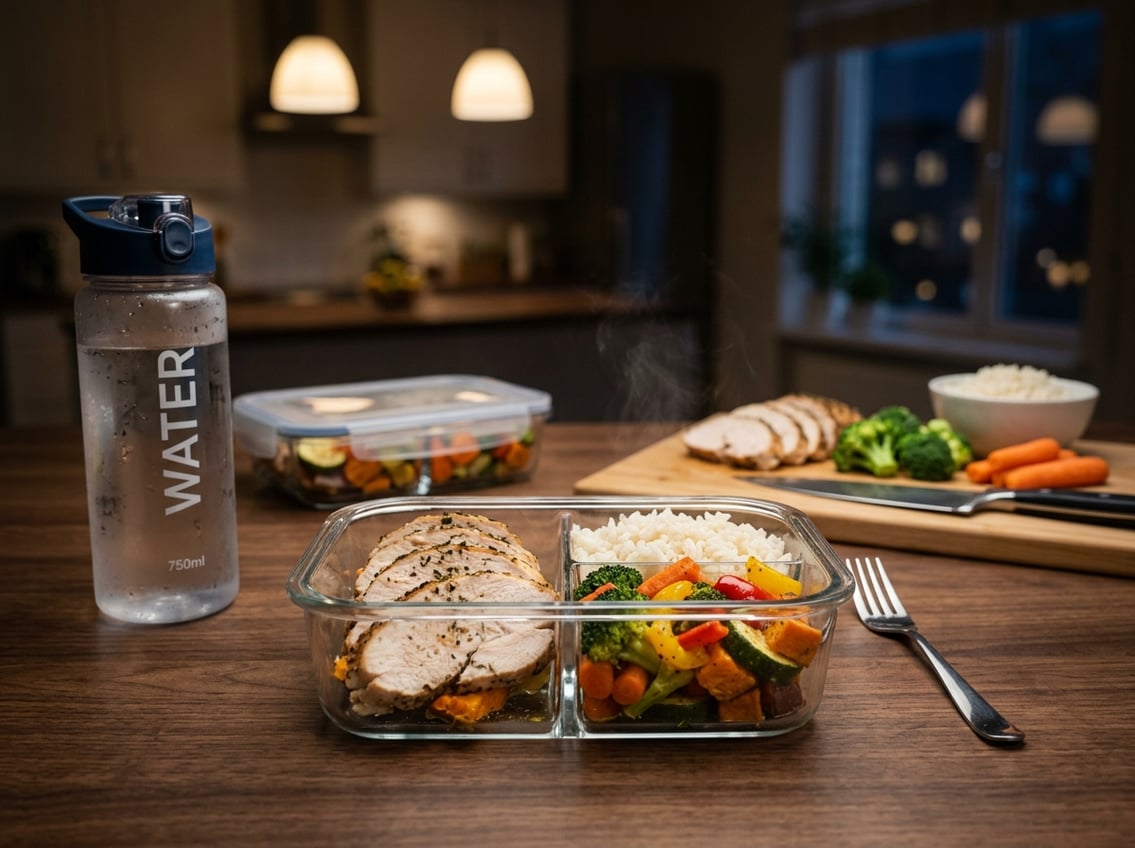
This is the pre-shift anchor meal we recommend most. Roasted turkey breast, rice, and a mix of roasted vegetables gives you protein and slow-release carbs before you clock in, without sitting heavy in your stomach through hour six.
Pair it with XGRITX Hydration Formula, a fruit punch electrolyte powder with magnesium, sodium, potassium, and chloride. It is not a meal replacement; it is there to help you start your shift already hydrated, especially if you are lifting, walking a warehouse floor, or working near heat.
Mix the powder into a water bottle before you leave the house so it is ready alongside your food container. Sixty servings per tub means it lasts through a full rotation of shifts without restocking constantly. Warehouse crews, forklift operators, and anyone doing physical work in the first hours of a shift benefit most from starting hydrated instead of trying to catch up later.
2) Chicken Burrito Bowls With Brown Rice and Black Beans
Chicken burrito bowls hold up as well at 1 a.m. as they do fresh out of the pan. Seasoned chicken, brown rice, black beans, corn, and salsa give you protein and fiber that digest without leaving you sluggish mid-shift.
Skip heavy sour cream and cheese piles if you are eating this deep in the night. A lighter version reheats cleanly in a break room microwave and holds its texture better than pasta-based bowls. Batch cook the chicken and rice on your first day off, then portion into five or six containers for the week. This one works well as a mid-shift meal for nurses, drivers on longer routes, and warehouse teams with a real 30-minute break.
3) Greek Yogurt Protein Overnight Oats With Berries
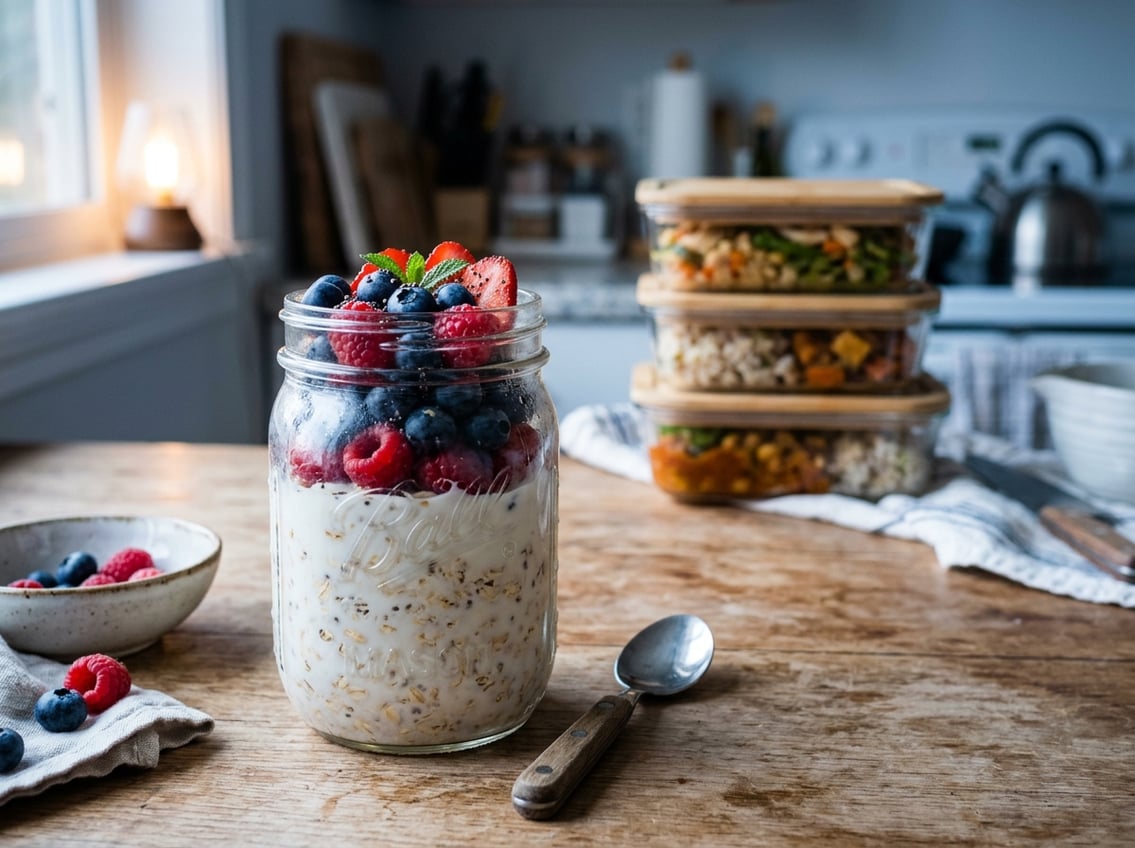
Overnight oats built with Greek yogurt solve the "what do I eat at 2 a.m. that isn't heavy" problem. Oats, Greek yogurt, chia seeds, and berries layered in a jar sit in the fridge for days and taste good cold, straight from your lunch bag.
The protein from the yogurt keeps you full without the sluggish feeling that comes from a starchy meal deep into a shift. No microwave needed, which matters if your break room only has a fridge. Make four or five jars at once on a day off and grab one on your way out the door. This works for anyone whose break room is standing-room-only or shared with twenty other people fighting for microwave time.
4) Turkey and Hummus Whole-Wheat Wrap Boxes
A turkey and hummus wrap is the meal that needs zero equipment. Whole-wheat tortilla, sliced turkey, hummus, and crunchy vegetables wrapped tight and packed with a few carrot sticks on the side covers protein and fiber without any reheating.
This is the one to keep in a truck cab or on a jobsite where there is no break room at all. It holds up in an insulated bag for a full shift and does not turn soggy if you wrap it right, tortilla layer first against the hummus. Truck drivers, tradespeople, and construction crews without kitchen access lean on this one hardest.
5) Salmon, Sweet Potato, and Green Bean Meal Prep Bowls
Salmon with roasted sweet potato and green beans works best as your post-shift, pre-sleep meal. It's light enough to digest before bed but still gives you real protein after 12 hours on your feet.
Bake salmon fillets with lemon and herbs, roast the sweet potato cubes separately, and steam the green beans until just tender. Portion into containers the size you would eat right when you get home, not a full dinner-sized serving. Nurses coming off overnight rotations and anyone heading straight to bed after a shift benefit from keeping this portion smaller than their pre-shift anchor meal.
6) Egg Muffins With Spinach, Peppers, and Cheddar
Egg muffins are the grab-and-go answer for the middle of a busy shift. Whisk eggs with chopped spinach, bell peppers, and shredded cheddar, then bake in a muffin tin for a dozen portable protein cups you can eat cold or heated.
They hold their shape well in a lunch bag and don't need utensils, which matters when your break is fifteen minutes and shrinking. Bake a full batch on your day off and they keep in the fridge for several days. Warehouse workers and forklift operators juggling short, staggered breaks get the most mileage from these, since there's no assembly required once you're on shift.
7) Beef and Broccoli Quinoa Bowls
Beef and broccoli over quinoa gives you a hearty option without the grease of takeout versions. Lean beef strips, a generous pile of broccoli, and a light soy-garlic sauce over quinoa instead of white rice adds fiber that keeps energy steadier through the back half of a shift.
Quinoa reheats better than white rice, which can dry out or turn gummy after a few days in the fridge. This one works best as a mid-shift meal for physically demanding jobs, construction crews and heavy-equipment operators included, where a heavier protein source makes sense. Portion it a size smaller than you would at home; a packed break room meal doesn't need to be your biggest plate of the day.
8) Tuna Chickpea Pasta Salad Jars
Tuna and chickpea pasta salad is built for the days you don't want to touch a microwave. Canned tuna, chickpeas, whole-wheat pasta, and a light olive oil dressing hold up cold for days without turning mushy or bland.
Pack it in a mason jar with the dressing on the bottom and the pasta and tuna layered on top, so nothing gets soggy before lunch. This travels well in a cooler bag for truck cabs and jobsites where refrigeration is limited to whatever ice packs you bring. It's a solid mid-shift option when you want real protein without waiting in line for the break room microwave.
9) Cottage Cheese Snack Boxes With Fruit and Whole-Grain Crackers
Cottage cheese boxes fill the gap between full meals without weighing you down. A scoop of cottage cheese, a handful of berries or grapes, and a few whole-grain crackers gives you protein and a little carb without the crash that comes from chips or a candy bar.
This one shines in the deepest part of the night, somewhere around 3 to 5 a.m., when a full meal feels like too much but you still need fuel. Pack it in small containers with dividers so the crackers stay crisp instead of soggy. Nurses and drivers working the graveyard stretch often find this easier on the stomach than anything heavier at that hour.
10) Peanut Butter Banana Chia Energy Bites
Energy bites solve the 4 a.m. hunger without a sugar crash thirty minutes later. Oats, peanut butter, mashed banana, and chia seeds rolled into bite-sized balls give you a mix of protein, fat, and slow carbs in a snack you can eat with one hand.
They need no refrigeration for a single shift, which makes them the easiest thing to toss in a jacket pocket or truck console. Roll a batch of a dozen or more on a day off and they keep for about a week. Anyone without steady break access, forklift operators moving between tasks or drivers between stops, can eat these standing up in under a minute.
How to Time Food for a 12-Hour Night Shift
Timing food around a 12-hour night shift matters as much as what's on the plate. Eating like it's a normal daytime schedule, just shifted twelve hours later, tends to leave you bloated mid-shift and wired when you should be sleeping.
What should you eat before clocking in?
Eat your biggest, most balanced meal one to two hours before your shift starts. This is the time for lean protein, a complex carb like rice or quinoa, and vegetables, similar to what you'd eat for a normal dinner. Eating this early in your waking hours gives your body time to digest before you're on your feet or behind the wheel.
When should you eat during the overnight hours?
Plan for two to three smaller meals or snacks spaced every three to four hours through the night, with the lightest, smallest bite falling in the 3 to 5 a.m. stretch. This window is typically the hardest one for digestion, so keep it to something protein-focused like Greek yogurt or an egg muffin instead of a full plate. Heavy food this late tends to sit poorly and drags on energy instead of boosting it.
What should you eat after a night shift before sleep?
Keep your post-shift meal light and easy on the stomach, something like the salmon and sweet potato bowl in a smaller portion. A heavy meal right before bed disrupts sleep quality, and protecting that sleep is what gets you through the next shift feeling human. Give yourself a smaller plate here than you'd eat at your pre-shift anchor meal.
How to Pack Night Shift Meals That Actually Get Eaten
Meals that actually get eaten on a 12-hour shift are the ones packed to survive short breaks, unreliable fridges, and zero cooking equipment. A perfectly planned meal does nothing if it's soggy, spoiled, or stuck at the bottom of a bag you can't get to.
What if your break room only has a microwave?
Stick to meals that reheat cleanly, like rice bowls, quinoa dishes, and egg muffins, and skip anything with a delicate salad or crisp element that turns limp after reheating. Pack sauces and dressings separately in small containers so food doesn't turn soggy sitting in a locker for six hours before you get to it. A microwave-only setup still covers most of the meals on this list, since bowls and wraps are built to hold up.
Which foods stay safe in an insulated lunch bag?
An insulated bag with an ice pack keeps cooked meats, dairy, and egg dishes safe for a full shift, as long as you refrigerate the food again within two hours of your shift ending. Cold items like the yogurt oats, wraps, and pasta salad jars travel the safest, since they don't rely on reheating to taste good. Avoid leaving any bag in a hot car or cab for hours before a shift starts, especially in summer.
How can you prep meals before a shift without losing your whole day off?
Batch cook once during your first waking hours of the week instead of trying to prep after a shift when you're exhausted. Cook a few pounds of protein, a big pot of rice or quinoa, and roast a couple trays of vegetables, then mix and match into containers for four or five shifts at a time. This turns one hour of cooking into a week of grab-and-go meals instead of a nightly chore.
Frequently Asked Questions
What foods are best to eat during a 12-hour night shift?
Lean proteins like chicken, turkey, salmon, and eggs paired with complex carbs like rice, quinoa, or sweet potato work best through a long overnight shift. These combinations give you steady energy without the blood sugar swings that come from sugary snacks or fried food.
Should you eat a full meal in the middle of a night shift?
A full meal in the middle of the night usually feels heavier than it should, since digestion slows down during overnight hours. Smaller, protein-focused meals or snacks every few hours tend to sit better than one large plate mid-shift.
How do you meal prep for night shift weight loss?
Focus on consistent portion sizes and lean protein at each meal instead of skipping meals during the day and overeating once your shift starts. Keeping total daily calories steady, even as meal timing shifts, supports more stable weight than swinging between skipped meals and vending machine snacking.
How can I avoid an energy crash at 3 a.m.?
Keep your 3 to 5 a.m. snack small and protein-focused, like cottage cheese with fruit or an egg muffin, instead of reaching for chips or candy. Sugary snacks spike blood sugar fast and drop it just as fast, which is exactly the crash you're trying to avoid.
What should I pack if I do not have access to a microwave?
Cold meals like Greek yogurt overnight oats, turkey and hummus wraps, and tuna chickpea pasta salad jars taste good straight from an insulated bag with no reheating needed. These options work well for truck cabs, jobsites, and any workplace without a break room kitchen.
How much caffeine is too late during a night shift?
Caffeine taken too close to the end of your shift can interfere with falling asleep once you get home, so cutting it off several hours before clocking out helps protect your sleep. Everyone's sensitivity is different, so pay attention to how late you can drink coffee or energy drinks without it affecting your rest.


