

Truck driver meal prep means cooking or packing food ahead of time so you're not stuck grabbing whatever's closest at the truck stop. The fastest way to start is a weekend prep session: cook a few proteins, pack cold lunches that last 5-7 days, and store everything in a 12V fridge so you're not tempted by fast food at every stop. It sounds simple because it is, once you build the habit.
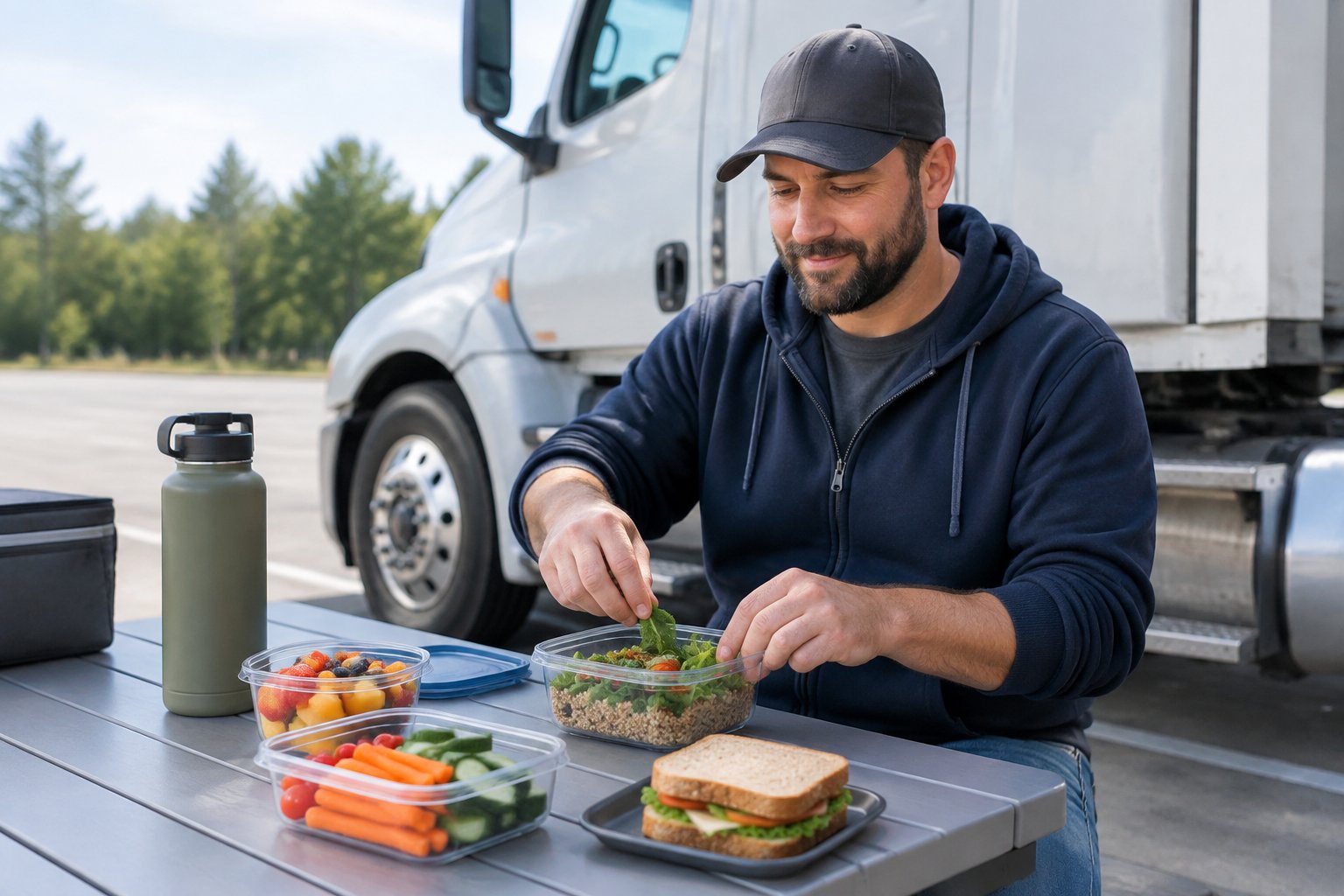
Long hauls make healthy eating harder than it should be. About two-thirds of long-haul drivers are overweight, and they're twice as likely to deal with diabetes or high cholesterol, according to the Centers for Disease Control and Prevention. That's not a scare tactic, it's just what happens when truck stop food is the only option on the table.
We built XGRITX around the idea that your body is your paycheck, and that applies just as much to truck drivers as it does to warehouse crews and night-shift nurses. Good food, good hydration, and the right gear in the cab make a real difference over a 10- or 12-hour run. If you're looking for gear built for the grind, browse our truckers CDL collection while you read.
What Should You Prep Before a Run?
Good truck driver meal prep starts with a short grocery list and a plan for how each item gets used more than once. You don't need fancy recipes, just a system that works with the space and time you actually have.
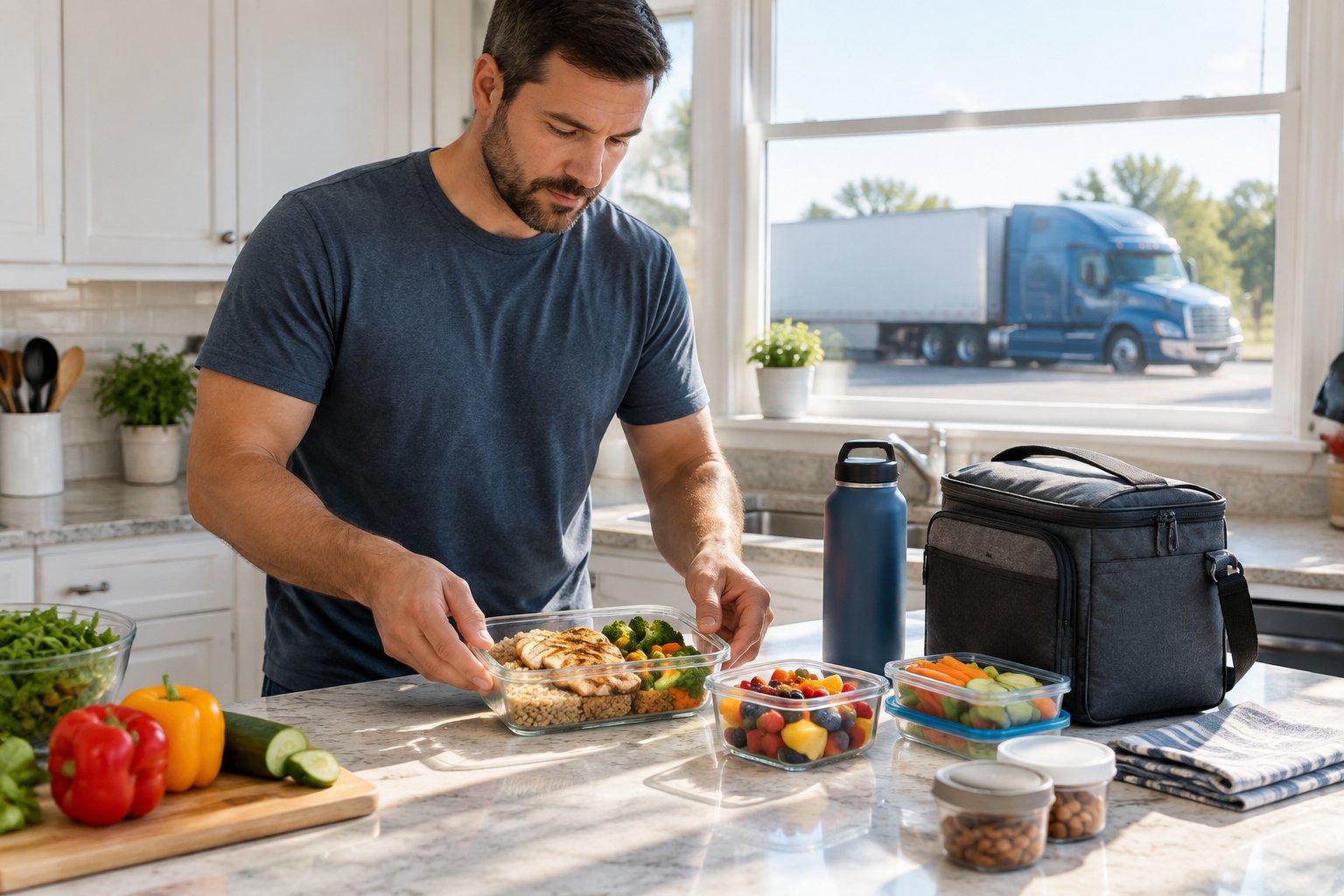
Build Balanced Meals from a Short Shopping List
Stick to ingredients that work in more than one meal. Brown rice or pinto beans make a solid base for bowls and wraps, and they double as a side dish, according to Penske Truck Leasing.
Versatile vegetables like onions, spinach, bell peppers, and tomatoes work in an omelet, a salad, or as a quick snack. Eggs are just as flexible: hard-boil a batch for snacks, slice them onto a salad, or scramble them for breakfast. A loaf of whole-grain bread rounds out the list and lasts the week.
Batch-Cook Ingredients You Can Use More Than Once
Cook proteins and grains in bulk during one prep session instead of making a new meal from scratch every day. Bake a batch of chicken breasts, brown a few pounds of ground turkey, and cook a large pot of brown rice. Mix and match these through the week for wraps, bowls, and salads.
Pack for Your Route, Stops, and Available Fridge Space
Think about how long your run is and how much fridge or cooler space you have before you load up. Shorter runs mean you can pack more fresh items, while longer hauls call for things that hold up over several days. Check our healthy snacks for truck drivers guide for ideas that travel well.
What Meals Actually Work on the Road?
Easy meals for truck drivers fall into a handful of categories that repeat well: make-ahead breakfasts, cold lunches, reheatable dinners, and grab-and-go snacks. The goal is variety without needing a new recipe every single day.
Breakfasts You Can Make Ahead
Overnight oats need no cooking at all. Combine oats, milk, and fruit in a jar the night before and it's ready by morning. Breakfast burritos freeze well too: make a batch of ten, wrap them in foil, and microwave one whenever you need it. Greek yogurt parfaits, hard-boiled eggs, and a quick protein smoothie round out a rotation that takes almost no prep in the morning.
Cold Lunches That Travel Well
A turkey wrap or sandwich takes a few minutes to build and holds up fine in a cooler. Mason jar salads are a trucker favorite because they stay fresh for days when the dressing sits on the bottom and the greens stay on top, away from moisture. Layer in chickpeas, cucumber, and a light vinaigrette for a lunch that doesn't wilt by the time you're ready to eat it.
Hot Dinners Worth Reheating
Chicken and rice, taco bowls, and beef stew all reheat well in a microwave or portable food warmer. A slow cooker is worth packing if your truck has an inverter: start a stew or chili before you hit the road and it's ready hot by the time you park for the night. Baked salmon with steamed vegetables is another solid option if you've got a skillet or oven setup in the cab.
Snacks for Planned Stops
Trail mix, nuts, hard-boiled eggs, and fresh fruit are easy to portion ahead and don't need much space. Keep a stash in your cab so you're not relying on gas station shelves between meals.
How Do You Keep Cab Meals Safe?
Truck meal prep only works if the food stays safe to eat, and that comes down to the right equipment and a few simple habits. Keeping perishables cold and reheating food properly are the two things that matter most for avoiding food poisoning on the road.
Choose Storage and Heating Gear That Fits Your Truck
A portable refrigerator, often a 12V unit, is the single most useful piece of meal prep equipment for a cab, since it keeps food at a safe temperature for days without needing ice, as described in RMS Truckers' cab cooking guide. A portable food warmer or 12V lunch box reheats meals while you drive, and a portable electric skillet handles eggs, stir-fry, or grilled chicken if you've got an inverter on board. Good meal prep containers that are leakproof and stackable round out the setup.
Keep Perishable Food Cold and Label Each Portion
Keep your cooler or fridge below 40°F and check it with a thermometer, since that's the threshold for keeping perishable food safe, according to RMS Truckers. Label each container with the date it was made so you're not guessing later in the week.
Reheat Thoroughly and Know When to Toss Leftovers
Cooked food should be eaten within 3-4 days, and when something seems off, the safest move is to throw it out rather than risk food poisoning on a long haul, as noted by RMS Truckers. Reheat meals until they're steaming hot all the way through, not just warm on the surface.
How Can You Turn the Prep into a Repeatable Plan?
A truck driver meal plan works best when it's simple enough to repeat every week without rethinking it from scratch. Building a short rotation of meals and pairing it with a hydration habit turns meal prep for truck drivers from a one-time effort into something that actually sticks.
A Practical Three-Day Truck Driver Meal Plan
Here's a simple three-day rotation built from batch-cooked ingredients:
- Day 1: Hard-boiled eggs with whole-grain toast for breakfast, a turkey wrap with veggies for lunch, chicken and rice for dinner, trail mix as a snack.
- Day 2: Overnight oats for breakfast, a mason jar salad with chickpeas for lunch, taco bowls with brown rice and pinto beans for dinner, fresh fruit as a snack.
- Day 3: Greek yogurt parfait for breakfast, a protein smoothie plus leftover chicken for lunch, beef stew from the slow cooker for dinner, nuts and hard-boiled eggs as a snack.
Repeat this cycle and swap in new proteins or vegetables every couple weeks to keep it from getting stale.
Pack Water and Drinks Alongside Your Meals
Hydration deserves the same planning as food. Aim for at least 64 ounces of water a day, more in hot weather, and plan hydration stops into your route the same way you plan fuel stops, according to RMS Truckers' nutrition guide. Our guide on pure hydration for long shifts covers how to build that habit into a long driving day, and our Hydration Formula is built for exactly this kind of schedule.
Make the Next Run Easier to Fuel
Truck driver meal prep comes down to a few repeatable habits: a short shopping list, batch-cooked ingredients, safe cold storage, and a meal rotation you can repeat without much thought. None of it requires a full kitchen, just a cooler, a few containers, and a plan you can stick with week after week.
Small changes compound over months on the road. A 12V fridge, a handful of go-to recipes, and a water bottle you actually refill will do more for your energy and health than any single "perfect" meal ever could.
If you want gear and supplements built around shift work and long hauls, check out our supplements for truck drivers page or reach out at craig@xgritx.com. We ship to addresses across the United States, and orders over $24.95 qualify for free standard shipping.
Frequently Asked Questions
How do you meal prep for a truck driver without a kitchen in the cab?
Focus on no-cook meals like overnight oats, mason jar salads, turkey wraps, and hard-boiled eggs. These need only a cooler or portable fridge to stay fresh, no stove or microwave required.
What are good cold lunch ideas for truck drivers?
Mason jar salads, turkey or chicken wraps, and tuna salad with crackers all travel well in a cooler. Layer salad dressing on the bottom of the jar and greens on top so the lunch stays fresh for several days.
How long can prepared meals stay in a truck fridge?
Cooked food should be eaten within 3-4 days when stored below 40°F, according to RMS Truckers. When a meal looks or smells off, it's safer to toss it than risk food poisoning on the road.
What can truck drivers pack if they do not have a refrigerator?
Shelf-stable options like trail mix, nuts, canned tuna, peanut butter, whole-grain bread, and fresh fruit like apples and bananas hold up fine without refrigeration. These work well as backup snacks even for drivers who do have a cooler.
How can a truck driver meal plan support weight-loss goals?
Planning meals ahead lets drivers control portions and choose protein- and fiber-rich foods that keep them full longer, which helps prevent the weight gain common on long hauls. Pairing a meal plan with regular hydration and cutting back on sugary truck stop snacks supports steady progress over time.


