
Protein Shake Whey Isolate: Whey Protein Shakes for Muscle Growth
By XGRITX Editorial Team
Protein Shake Whey Isolate: Whey Protein Shakes for Muscle Growth
By XGRITX Editorial Team · Updated 2026-07-29
Whey protein shakes, containing 10 to 30 grams of protein per serving, build muscle by supplying fast-absorbing essential amino acids after workouts. Swapping a shake in for the occasional higher-calorie meal can support fat loss, but a shake should supplement—not replace—a balanced diet that meets the 45+ gram daily protein requirement for optimal results.
Gym-goers get the most out of a shake by building it into a routine: one to two servings a day, timed post-workout for recovery and between meals when hunger strikes on a cutting phase. Pairing that habit with consistent resistance training—and a daily protein target of roughly 45 to 60 grams—is what turns a shake into measurable strength and fat-loss progress, rather than just another beverage.
What Makes A Whey Protein Shake Effective?
Speed of absorption separates a working recovery drink from a flavored placebo. Essential amino acids inside whey protein enter the bloodstream fast, which explains why a shake taken after a shift or a training session goes to work almost immediately rather than sitting in the gut for hours.
Formula matters as much as timing. A whey protein shake built for recovery needs a clean amino acid profile, minimal fillers, and a dose that matches real physical output. Not just a label built around marketing photos. XGRITX's HEAVY LOAD formula is a whey isolate shake engineered specifically for that kind of recovery demand, not casual sipping. cite-1
Is Whey Isolate Better Than Regular Whey For A Shake?
A whey protein protein shake built on isolate strips out more lactose. Fat during processing, leaving a purer amino acid load per scoop. That matters for anyone training hard and needing recovery without extra digestive baggage.
Does It Matter If A Whey Isolate Product Is Lab Tested?
It matters more than most labels admit. Every XGRITX protein shake whey isolate product ships lab tested and drug-test safe, so gym-goers get verified content, not guesswork. cite-1 That standard applies whether the demand comes from a barbell session or a 10-hour shift on concrete. Recovery has to perform, not just look good on a shelf.
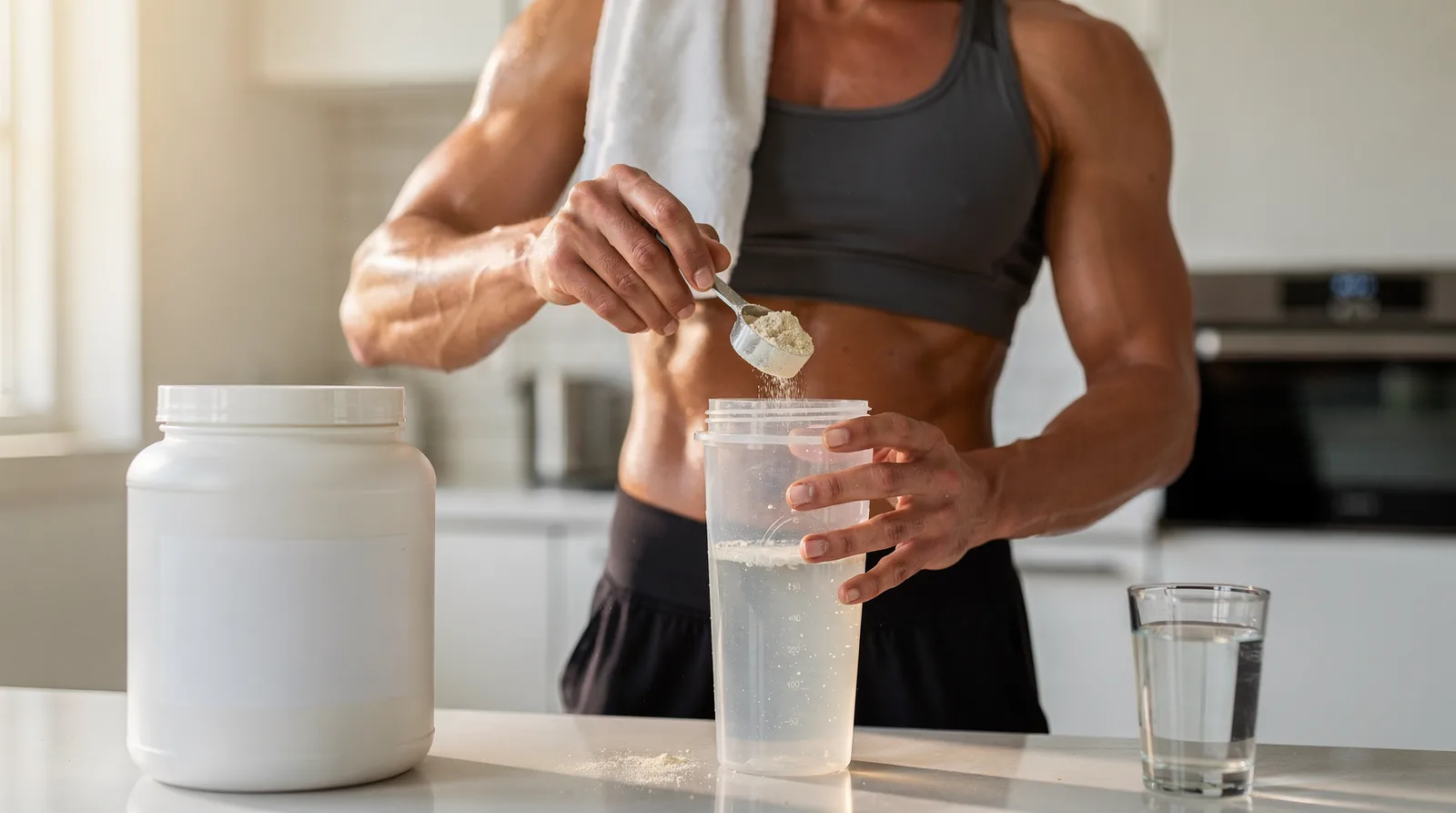
How Do You Use Whey Isolate Shakes For Muscle Growth?
Timing and pairing decide whether a whey isolate shake builds muscle or just adds calories. Muscle growth depends on consistent protein intake around training sessions, not random sipping throughout the day. Skipping the post-workout window wastes the recovery advantage this protein form was built to deliver.
Research on whey protein protein shake supplementation shows measurable gains in strength. Lean mass over time when training stays consistent. The mechanism behind this involves muscle protein synthesis, the repair process triggered after resistance training breaks down muscle fibers. A protein shake whey protein blend supplies the amino acids that fuel that repair process quickly. Isolate digests faster than concentrate.
Should a whey isolate shake be taken before or after training?
After training works best for most lifters chasing recovery. A protein shake whey isolate formula is designed for post-workout use, delivering fast-absorbing protein when muscle fibers need repair material most.
Can whey isolate be paired with other supplements?
Yes. Stacking a whey isolate shake with a 5-gram dose of creatine monohydrate supports strength-focused training goals. Creatine builds power output while isolate rebuilds tissue. cite-1
XGRITX's Build Your Stack program lets customers combine a whey protein shake with another recovery routine](https://xgritx. [cite-1com/products/xgritx-coolant-sugar-free-electrolyte-powder-lemonade) product at a discount, making a full post-shift recovery routine easier to maintain long-term.

Can A Whey Protein Shake Also Support Fat Loss?
Fat loss responds well to a whey protein shake built into a calorie-controlled diet. Research backs protein powder, including whey, as a useful aid for weight loss in both men and women, not just muscle gain. Gym-goers cutting calories often lose lean tissue along with fat. Adequate protein intake helps preserve muscle while the scale moves down.
Most healthy adults need at least 45 grams of protein daily. Training hard changes that math fast. Food alone rarely covers the gap for someone lifting four or five days a week. A whey protein protein shake after training closes that gap without stacking on extra calories from a full meal.
Does A Whey Isolate Shake Work Better For Cutting?
A whey isolate shake strips out more fat and lactose than concentrate, delivering protein with less caloric baggage per scoop. That matters during a cut, when every calorie gets counted.
Is It Safe To Use During A Cutting Phase?
Cutting phases put extra scrutiny on what goes into a shake, since a calorie deficit already stresses the body and leaves less room for unlisted fillers or masked ingredients. A protein shake whey isolate blend with a lean amino acid profile and no hidden additives keeps a cut on track without extra digestive baggage or unexplained bloating. XGRITX's Made in USA standard means every batch is verified before it reaches a shaker cup, so a cutting lifter can trust the label without doing extra homework. The Build Your Stack program offers a discount when combining two products—contact XGRITX for details on any additional offers.
Frequently Asked Questions
How much whey protein should I drink per day?
Most gym-goers do well with one to two shakes a day, aiming for roughly 45 to 60 grams of total daily protein alongside meals. The exact amount depends on training volume and body size, but consistency around workouts matters more than hitting a perfect number.
What's the best time to drink a whey protein shake?
Right after training is the top window, since muscle fibers are primed for repair and whey's fast-absorbing amino acids get to work quickly. A shake between meals also helps curb hunger on cutting days.
Is whey isolate better than whey concentrate for a shake?
Whey isolate strips out more lactose and fat during processing, leaving a purer amino acid load per scoop. That makes it a stronger pick for anyone training hard who wants recovery without extra digestive baggage or added calories.
Can whey protein shakes help with weight loss as well as muscle growth?
Yes. Swapping a higher-calorie meal for a protein shake can support fat loss, and adequate protein intake helps preserve lean muscle while the scale moves down—as long as shakes supplement a balanced diet rather than replace it entirely.
Is it safe to stack whey isolate with other supplements like creatine?
Yes. Pairing a whey isolate shake with a 5-gram dose of creatine monohydrate is a common, well-supported combination for strength-focused training. Choosing lab-tested, drug-test-safe products matters most for anyone competing or working in a regulated environment.