
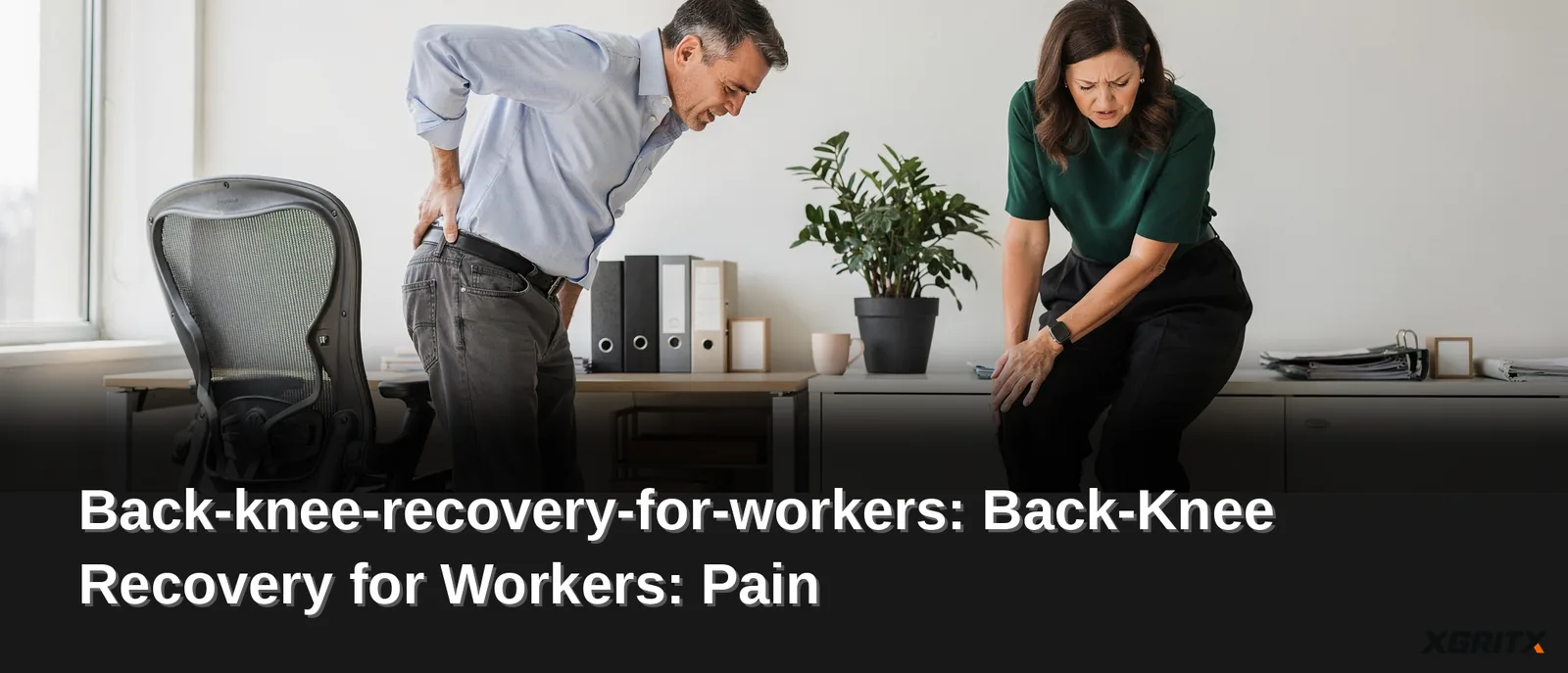
Back-knee-recovery-for-workers: Back-Knee Recovery for Workers: Pain
By XGRITX Editorial Team · Updated 2026-08-10
Effective workplace back and knee pain recovery protocols combine active rest, targeted stretching, and progressive strengthening exercises as soon as possible after injury. XGRITX in Stanley, North Carolina, emphasizes ergonomic assessments, ice/heat therapy cycles, and gradual return-to-duty plans to restore mobility and prevent re-injury among physically demanding job roles.
Recovery protocols for workplace back and knee pain combine immediate RICE treatment—rest, ice, compression, elevation—with targeted physical therapy and evidence-based workplace interventions
Effective recovery protocols combine workplace-based prevention strategies with targeted joint support. Systematic reviews confirm workplace interventions reduce knee pain among workers. Desk-based professionals benefit from movement breaks, ergonomic adjustments, and nutritional support like XGRITX's D3 + K2 Strips, delivering Vitamin D3. K2 to support bone and joint health during long sitting or standing periods.
Key Takeaways
- Knee pain affects workers across multiple industries, requiring systematic workplace-based interventions for effective management.
- Physical therapy serves as a crucial component in rehabilitation protocols for work-related knee injuries.
- Immediate action within the first hours post-injury significantly accelerates recovery timelines and outcomes.
- Structured 6-step recovery protocols reduce pain and restore functional capacity for workplace performance.
What Causes Office-Related Back and Knee Pain?
Sustained sitting, poor posture, and repetitive micro-strain drive most back and knee discomfort among desk workers. Research on employed populations shows knee pain ranks among the most prevalent. Disabling conditions affecting workers, not just athletes or manual laborers. Office employees often assume joint pain belongs to construction sites or warehouses. That assumption misses the mark.
Scientists have studied workplace-based approaches specifically designed to reduce knee pain in currently employed adults, recognizing that job-related postures and habits contribute directly to the problem. Chairs, monitor height, and hours of stillness all play a role.
Why does sitting all day hurt the knees and back?
Prolonged static posture reduces blood flow to joint tissue and tightens hip flexors, which pulls on the lower back and alters knee alignment. The body was built to move, not to hold one position for eight hours straight.
Effective joint care at work doesn't require a warehouse floor to matter. Desk-bound strain accumulates the same way physical labor strain does, just more quietly. XGRITX, based in Stanley, North Carolina, was built around a simple idea: joints carrying load, shift after shift, deserve protection—whether that load comes from lifting or from sitting still too long. Solid work-recovery-protocols and consistent back-knee-recovery-for-workers habits start with recognizing the cause.
How Should You Respond Right After Pain Strikes?
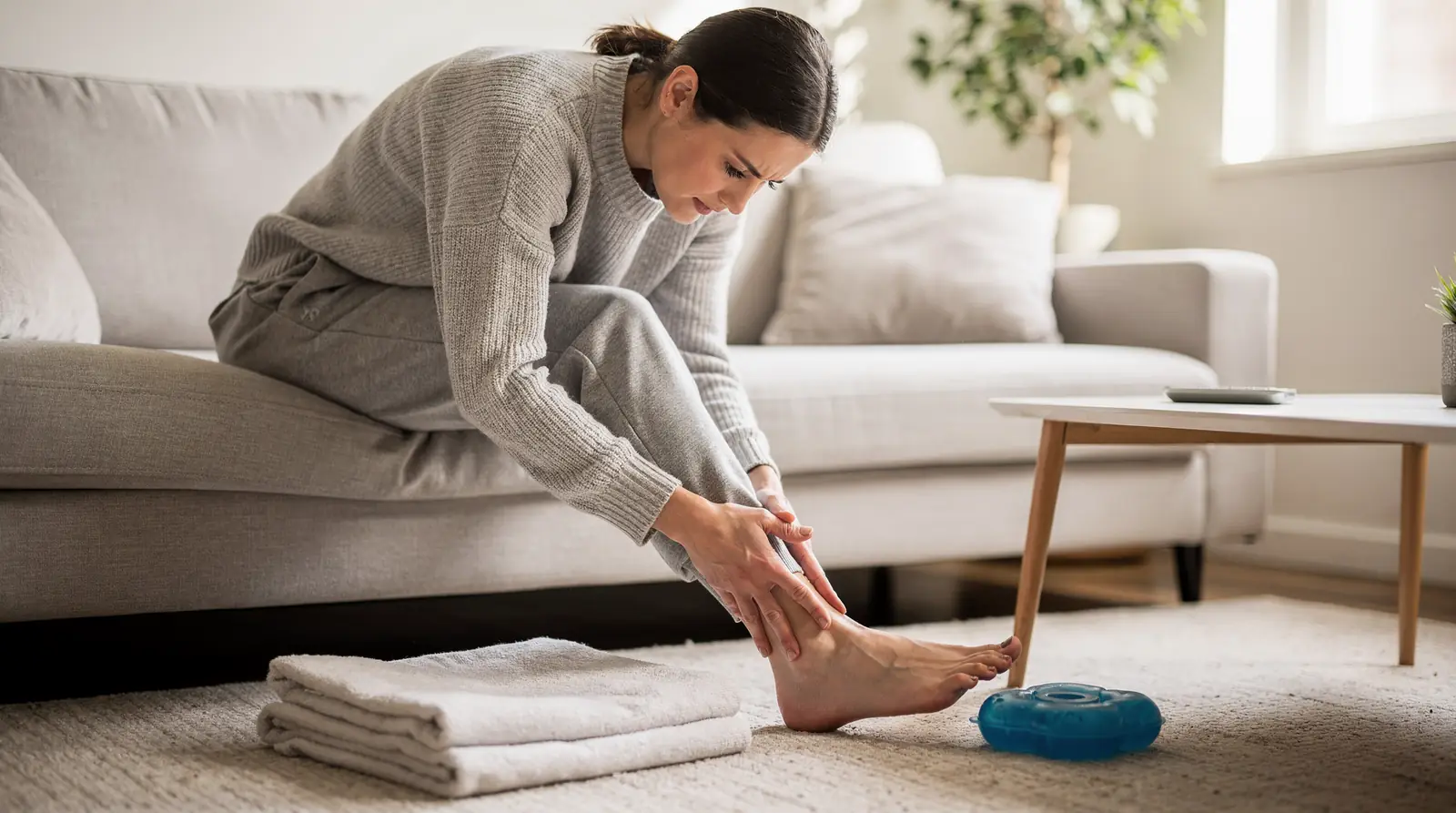
Rest, ice, compression, and elevation form the smartest immediate response to sudden back or knee pain. Known as the RICE protocol, this four-step approach acts as the first line of defense against swelling and further joint damage. Waiting too long to apply it lets inflammation build, turning a manageable tweak into days of lost productivity at a desk or in the field.
Desk workers often shrug off early twinges, blaming a long meeting or an awkward chair. That instinct costs time. A proper foundation for back-knee-recovery-for-workers starts the moment discomfort appears, not after it worsens.
Does Rest Mean Skipping Movement Entirely?
Not quite. Rest means reducing strain on the affected joint, not freezing in place for days. Gentle movement paired with ice and compression protects tissue while keeping stiffness from setting in.
When Should Physical Therapy Enter the Picture?
Physical therapy becomes central once initial swelling calms down. It plays a crucial role in restoring function after knee injuries tied to repetitive strain or poor ergonomics. A trained therapist rebuilds strength and mobility, addressing the root cause rather than just the flare-up.
Beyond RICE and therapy, daily joint-care-at-work habits matter. Consider these supportive additions:
- Joint support capsules with MSM and glucosamine, formulated for joints under repetitive physical stress
- Dissolvable D3 and K2 strips, supporting bone and joint health as part of an ongoing recovery routine
Consistency across these small steps builds resilience long before the next flare-up hits.
What Daily Habits Prevent Long-Term Joint Damage?
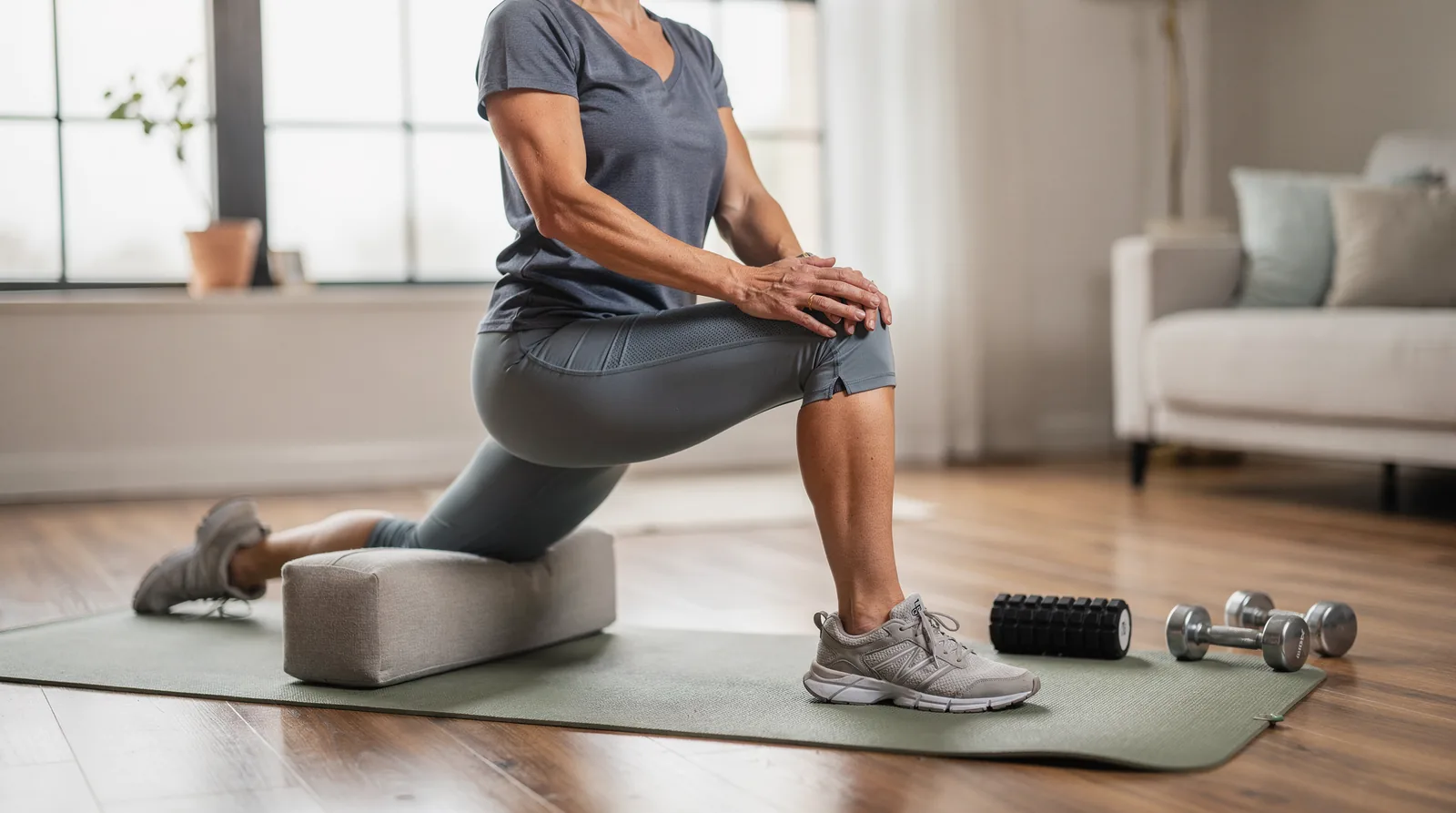
Small, repeated habits protect joints far more than any single fix. A five-minute warm-up before lifting, standing, or even a long commute increases blood flow and improves flexibility, cutting the odds of strains and sprains. Skipping that step, day after day, is how minor stiffness turns into a chronic back or knee problem.
Nutrition plays a bigger role than most desk workers realize. Whey isolate protein powder supports muscle repair for bodies under sustained daily load, whether that load comes from hauling boxes or sitting hunched over a keyboard for eight hours. Creatine monohydrate powder, dosed for demanding routines, helps maintain strength that would otherwise erode from long stretches of inactivity or repetitive strain.
What should a daily joint-care routine include?
A workable routine covers three bases: movement, fuel, and recovery. Consider stacking these habits:
- Warm up before any sustained physical task, including long walks or heavy lifting
- Refuel with a protein source that supports repair, not just energy
- Recover with a BCAA powder with electrolytes, built for strain-heavy days on your feet or tense hours at a desk
Is joint support only needed after an injury?
No. Joint support capsules with MSM and glucosamine work best as a consistent daily habit, not a reactive fix. Building them into a morning routine, alongside proper warm-ups and steady nutrition, keeps joints resilient before pain ever starts.


