

Creatine-for-workers: Creatine for Workers: Boost Physical Labor
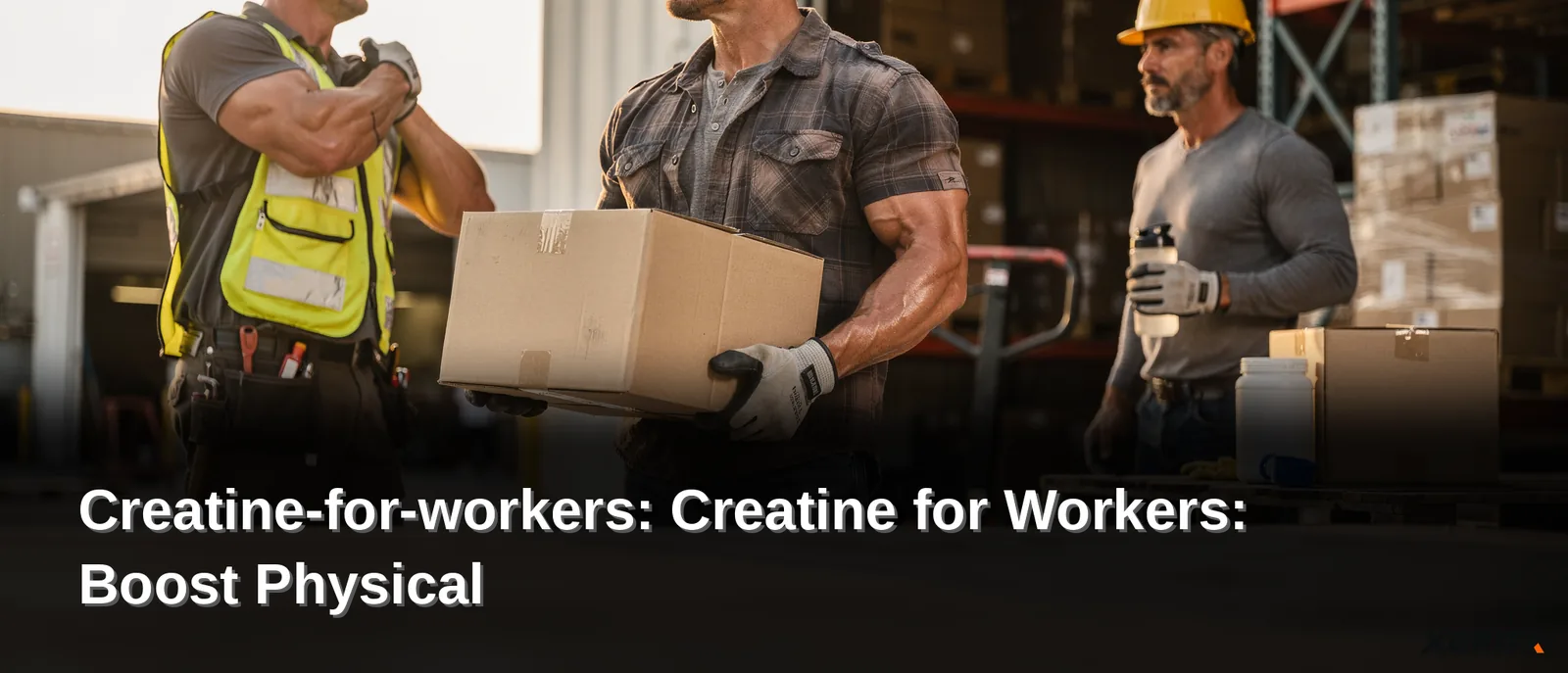
By XGRITX Editorial Team · Updated 2026-08-10
Creatine supports muscle energy production, helping tradespeople and physical laborers sustain power through repeated heavy lifts, hauling, and long shifts on hard floors. XGRITX's Heavy Lifting line pairs creatine with whey isolate protein, BCAAs, and joint support, dosed specifically for real-world work demands rather than gym-only training goals.
Key Takeaways
- Creatine supplies 1-2 grams daily naturally, supporting steady muscle energy during physical labor.
- Supplementation reduces fatigue and improves strength in non-athletic physical work contexts.
- Creatine monohydrate remains the most studied and effective supplementation form available.
- Benefits extend beyond athletes to recovery and muscle function in everyday life.
Why Does Creatine Matter for Physical Labor Jobs?
Physical labor turns every shift into a training session, and muscles need consistent fuel to keep up. For warehouse crews, line workers, and first responders, fatigue isn't just uncomfortable. It slows reaction time and raises injury risk during the exact hours when a body needs to perform. Loss of steady output over a 10-hour shift costs more than a bad rep at the gym. It costs productivity and safety.
Research on creatine-for-workers shows the benefits reach well past the weight room. Studies note that supplementation may support strength and reduce fatigue in non-sporting contexts, including physical labor and aging. That means the same compound helping athletes push heavier loads also helps a mover, electrician, or paramedic push through a demanding shift.
Is creatine only for athletes and bodybuilders?
No. Evidence points to broader everyday applications, especially for people whose jobs involve repeated lifting, carrying, or standing.
What does worker-focused creatine strength support look like in practice?
A worker-strength-creatine approach pairs the ingredient with recovery-focused nutrients rather than isolating it. XGRITX's Heavy Lifting line reflects this thinking, combining:
- Creatine
- Whey isolate protein
- BCAAs
- Joint support ingredients
This horsepower-creatine-guide approach treats the job itself as the workout. Built for hauling, lifting, and long hours on hard floors, shift after shift.

How Does Creatine Boost Strength and Fatigue Resistance?
Creatine works by raising the body's stored supply of intramuscular creatine, the fuel muscles tap into during hard, repeated exertion. Research consistently links higher creatine stores to better performance during high-intensity work. To greater strength gains built up over weeks of training. For someone loading pallets or hauling equipment shift after shift, that translates into steadier output when the body starts running low on gas.
That's the science behind creatine-for-workers as a category — supplementation built not for gym aesthetics. For people whose job is physical labor from clock-in to clock-out.
Does creatine actually help with job-site fatigue?
Fatigue resistance comes down to how well muscles maintain power output across repeated efforts, not just a single burst. Creatine's role in replenishing muscle energy stores supports that repeated-effort capacity, which matters far more on a ten-hour shift than in a single gym session.
XGRITX built its worker strength creatine formula, HORSEPOWER, specifically around that reality. As part of the brand's Heavy Lifting lineup, the horsepower creatine guide approach pairs creatine monohydrate with whey isolate protein, BCAAs, and joint support, dosed for real hauling, lifting, and hours standing on concrete. Two goals matter equally here:
- Building the muscle the job actually demands
- Protecting the joints carrying that load, shift after shift
Neither goal works alone. Strength without joint protection breaks down fast under repeated physical strain.

When and How Should Workers Take Creatine?
Daily, consistent use beats occasional dosing for tradespeople chasing steady strength gains. Timing matters less than routine. A scoop with breakfast, mixed into a shaker before a shift, works fine as long as it happens every day. Creatine monohydrate remains the most researched and effective form of creatine supplementation available, which is why creatine-for-workers programs lean on it rather than newer, less-studied variants.
XGRITX builds its labor-focused formulas from its home base in Stanley, North Carolina, developing products for the crews that keep freight moving and shelves stocked. That regional grounding shows up in how HORSEPOWER, the brand's creatine monohydrate powder, gets designed: for hauling, lifting, and long stretches on concrete floors, not gym mirrors.
How does creatine fit into a work shift?
Mixing a scoop into water or a protein shake before or after work keeps things simple. The goal of worker-strength-creatine supplementation is muscle built for real tasks. While joints under constant load stay protected, shift after shift.
Does timing around a shift really matter?
Not dramatically — consistency outweighs precision. Following a basic horsepower-creatine-guide approach means picking one time daily. Sticking with it, rather than obsessing over pre- or post-shift windows.


