

Working nights wrecks your appetite before it wrecks anything else. You're hungry at 3 a.m. when the break room only has vending machine junk, and by the time you get home your body doesn't know if it wants breakfast or dinner. The best foods for night shift workers are protein-rich, fiber-packed options paired with complex carbs, things like Greek yogurt with berries, hard-boiled eggs, salmon with brown rice, and tart cherries, eaten on a schedule that fits your shift instead of fighting it.
We built this list around what actually survives a lunch box, a cab, or a nurses' station fridge, not what sounds good in a wellness article. XGRITX was started by a warehouse guy who's pulled his share of overnight and rotating shifts, so the goal here is steady energy and a shot at real sleep when you clock out, not a sugar spike that dies by 4 a.m. Along with food, we'll point out where a hydration product like XGRITX Hydration Formula fits in as backup, never as the main event.
1) XGRITX Hydration Formula – Fruit Punch
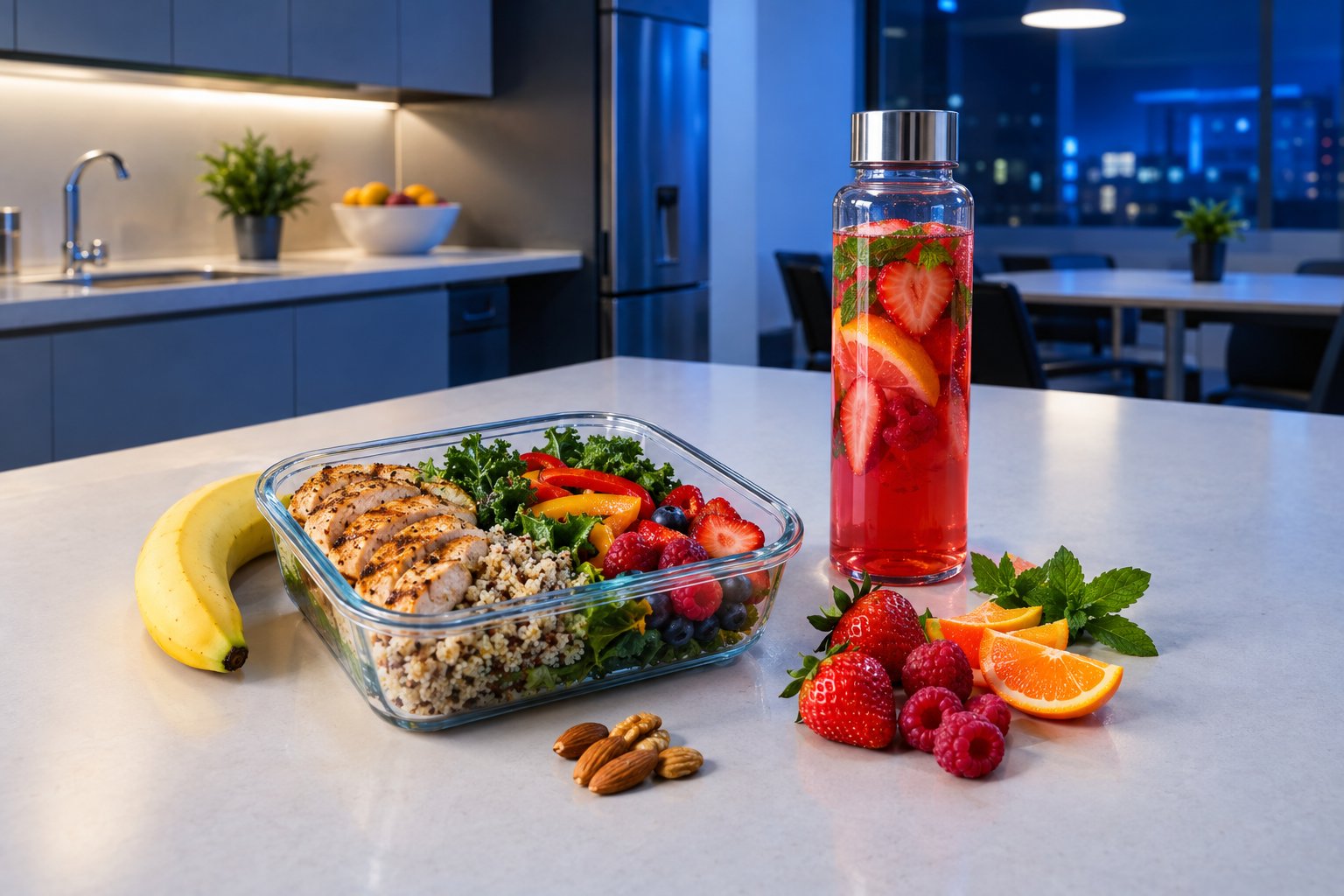
Dehydration sneaks up on night shift workers because you're not sweating in the sun, you're just running on low sleep and bad break room lighting. XGRITX Hydration Formula – Fruit Punch mixes vitamins, minerals, and electrolytes, including magnesium, sodium, potassium, and chloride, into a powder that comes with 60 servings per container.
This isn't a meal replacement. Pair it with real food, and use it to fill the gap when plain water isn't cutting the fatigue that mild dehydration causes.
A lot of shift workers mistake thirst for hunger around 2 or 3 a.m. Mixing a scoop before your shift or during a break can help you tell the difference. Full ingredient and dosing details are listed on the product page before you buy, since XGRITX doesn't run proprietary blends.
2) Greek Yogurt With Berries and Chia Seeds
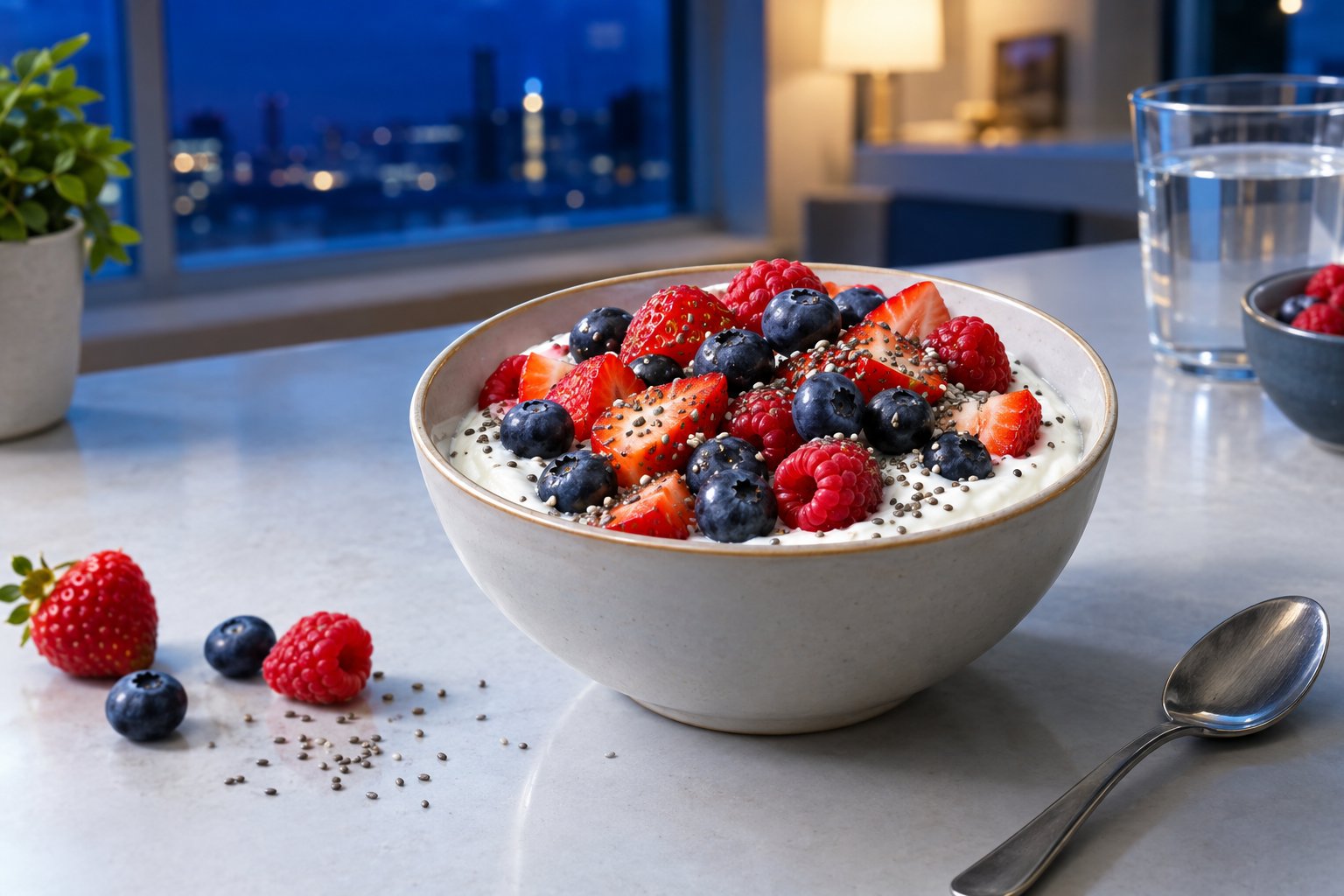
Greek yogurt with berries and chia seeds is a mid-shift snack that keeps you full without weighing you down. Greek yogurt brings protein, berries add fiber and natural sweetness instead of refined sugar, and chia seeds toss in more fiber and a little healthy fat.
It's cold, it's quick, and it doesn't need a microwave, which matters when your break room only has a fridge and bad coffee. Plain yogurt with fruit mixed in beats the flavored cups loaded with added sugar, since those spike you fast and drop you faster.
Pack it in a mason jar or a small container the night before. This one works well around the 3 a.m. stretch when your body wants something but a full meal would just make you sluggish.
3) Hard-Boiled Eggs With Whole-Grain Crackers
Hard-boiled eggs with whole-grain crackers cover protein and complex carbs in a snack that travels better than almost anything else on this list. Eggs hold up fine unrefrigerated for a few hours in a lunch box, and they don't need utensils or reheating.
The whole-grain crackers add fiber that slows down digestion, so you're not hungry again an hour later. This combo works as a mid-shift snack on an 8-hour shift or as one of two planned snacks on a 12-hour one.
Boil a dozen eggs at the start of the week and you've got grab-and-go protein for five shifts. Add a little hot sauce or seasoning salt if plain eggs get boring by Thursday.
4) Salmon and Brown Rice Bowl With Spinach
A salmon and brown rice bowl with spinach works best as your pre-shift anchor meal, the biggest meal you eat before you clock in. Salmon brings lean protein and omega-3s, brown rice is a slow-burning complex carb, and spinach adds fiber and iron, which matters since iron deficiency is a common driver of fatigue in shift workers.
Eat this 1 to 2 hours before your shift starts so your body has time to digest it while your metabolism is still running well. It sets you up with lasting energy through the first several hours on the floor, dock, or unit.
If salmon isn't your thing, canned tuna or grilled chicken over rice with vegetables does the same job. The point is protein plus a slow carb plus something green, not the exact fish.
5) Overnight Oats With Banana and Peanut Butter
Overnight oats with banana and peanut butter make a solid light meal for right after your shift ends, before you go to sleep. Oats are a complex carb that digests slowly and won't sit like a brick in your stomach, banana adds quick natural sugar and potassium, and peanut butter brings protein and fat to round it out.
Prep it in a jar the night before your shift so it's ready when you walk in the door at 7 a.m. exhausted and not in the mood to cook.
This combo works because it's easy on digestion during the hours your gut is naturally slowing down. A heavy plate of bacon and eggs at that hour can leave you bloated and fighting to fall asleep instead of drifting off.
6) Turkey and Avocado Whole-Grain Wrap
A turkey and avocado whole-grain wrap is built for the middle of a 12-hour shift when you need something more substantial than a snack but still portable. Turkey is lean protein, avocado brings healthy fat that keeps you satisfied, and the whole-grain wrap adds fiber without the crash of a white-flour tortilla.
Wrap it tight in foil or parchment and it holds up fine in a lunch bag for hours without getting soggy, especially if you keep the avocado on the drier side.
This is a good pick for the first mid-shift meal on longer shifts, roughly 4 to 5 hours in. Add cucumber or lettuce for crunch and a little extra fiber.
7) Tart Cherries With Cottage Cheese
Tart cherries with cottage cheese is a smart choice for the last stretch of a night shift or right before your sleep window. Tart cherries, especially Montmorency varieties, contain trace amounts of melatonin and have anti-inflammatory properties, and a small pilot study in the American Journal of Therapeutics found adults over 50 with chronic insomnia slept 84 minutes longer on tart cherry juice compared to a placebo, though the trial only had eight participants.
Cottage cheese adds protein and a compound your body uses to help make serotonin, which plays a role in winding down.
This pairing is light enough not to sit heavy before bed but still satisfying enough that you won't wake up starving two hours into your sleep window.
How to Time Meals and Snacks on a Night Shift
Timing your food around a night shift matters as much as what's on the plate. Eating on a schedule, instead of grazing whenever hunger hits, keeps blood sugar steadier and makes it easier to sleep once you're home.
When should you eat your main meal before a night shift?
Eat your biggest, most balanced meal about 1 to 2 hours before you clock in. This gives your body time to digest while your metabolism is still running well, and it's what sets the tone for energy through the first half of your shift.
Build this meal around a complex carb like brown rice or sweet potato, a lean protein, and vegetables. Skip the second helping. You want to feel fueled walking in, not stuffed and sluggish.
How often should you eat during an 8- or 12-hour night shift?
Plan a light snack or small meal every 3 to 4 hours during your shift. On an 8-hour shift that usually means one mid-shift snack; on a 12-hour shift, plan for two.
The stretch between 3 and 5 a.m. is the hardest one for most people because your circadian rhythm is at its lowest point. Keep whatever you eat here small and protein-focused instead of reaching for a heavy meal that will just make you feel worse.
What should you eat after a night shift before bed?
Keep your post-shift meal light and easy to digest, eaten within 30 to 60 minutes of finishing your shift. Oatmeal, scrambled eggs with vegetables, or a smoothie all work better here than a big greasy breakfast.
Heavy, fatty, or spicy food right before your sleep window can leave you bloated and fighting to fall asleep. This meal should support sleep, not act as fuel for more work.
How to Build a Night Shift Lunch Box
A lunch box built around protein, fiber, and complex carbs will carry you through a shift better than one built around whatever's fastest to grab. Planning it out the night before is half the battle when you're running on four hours of sleep.
How do protein, fiber, and complex carbohydrates support steadier energy?
Protein and fiber slow down digestion, which means the energy from your food releases gradually instead of all at once. Complex carbohydrates like oats, quinoa, and whole-grain bread digest slowly too, so blood sugar stays more level compared to simple sugars.
Pairing all three in one snack, like an apple with peanut butter or Greek yogurt with granola, keeps you fuller longer and cuts down on the 2 a.m. vending machine run.
Which foods are more likely to cause a mid-shift crash?
Sugary snacks, sodas, and heavily processed foods tend to spike energy fast and drop it just as fast. That's the cycle that leaves you reaching for another sugary snack an hour later to feel normal again.
Fried and greasy food is another one to watch late in a shift, since it's harder to digest when your gut is naturally slowing down at night. A candy bar might feel like a fix at 3 a.m., but it usually sets up a harder crash by 4:30.
How can you pack food safely for a long shift without reliable refrigeration?
An insulated lunch bag with a couple of ice packs keeps perishable food safe for most of an 8- or 12-hour shift. Foods like hard-boiled eggs, whole-grain crackers, nuts, and fruit hold up fine at room temperature for a few hours if refrigeration isn't available.
Split your food into what needs to stay cold, like yogurt or turkey wraps, and what doesn't, like crackers or nuts, so you can plan your ice pack space accordingly. If you're on a jobsite or in a cab all night, a small cooler works better than a soft lunch bag for anything with dairy or meat.
Frequently Asked Questions
What should I eat if I work night shift?
Focus on meals and snacks that combine protein, fiber, healthy fats, and complex carbohydrates, like eggs, Greek yogurt, salmon, oats, and whole-grain bread. Skip sugary drinks and heavily processed snacks, since they cause a fast energy spike followed by a hard crash mid-shift.
What is the best food to eat before a 12-hour night shift?
A balanced anchor meal with lean protein, a complex carb like brown rice or sweet potato, and vegetables works best, eaten 1 to 2 hours before you clock in. Salmon with brown rice and spinach, or grilled chicken with quinoa, are both solid options for a long shift ahead.
What should I eat after a night shift before bed?
Keep it light: oatmeal, scrambled eggs with vegetables, or a smoothie with yogurt and fruit are all easy on digestion. Avoid heavy, fried, or spicy food right before sleep, since it can leave you bloated and make it harder to fall asleep.
How can I avoid gaining weight while working night shifts?
Stick to a set eating schedule instead of grazing all night, and keep portions moderate at each meal or snack. Research pooling 28 studies in Obesity Reviews found night shift work carried 23% higher odds of overweight or obesity, so planning meals ahead of time instead of relying on vending machines makes a real difference.
What are healthy snacks for night shift workers?
Hard-boiled eggs, Greek yogurt with berries, cottage cheese, mixed nuts, and tart cherries all work well as night shift snacks. Keep portions moderate and pair a protein source with a fiber source so you stay full without feeling weighed down.
When should I stop drinking caffeine on a night shift?
Cut caffeine off in the middle of your shift, since it can stay in your system for up to eight hours and interfere with sleep once you get home. One or two cups early in your shift is fine for most people, but a late energy drink or coffee can wreck your sleep window entirely.


