
Bcaa-for-shift-recovery: BCAA for Shift Recovery: Lifting Job
By XGRITX Editorial Team · Updated 2026-08-10
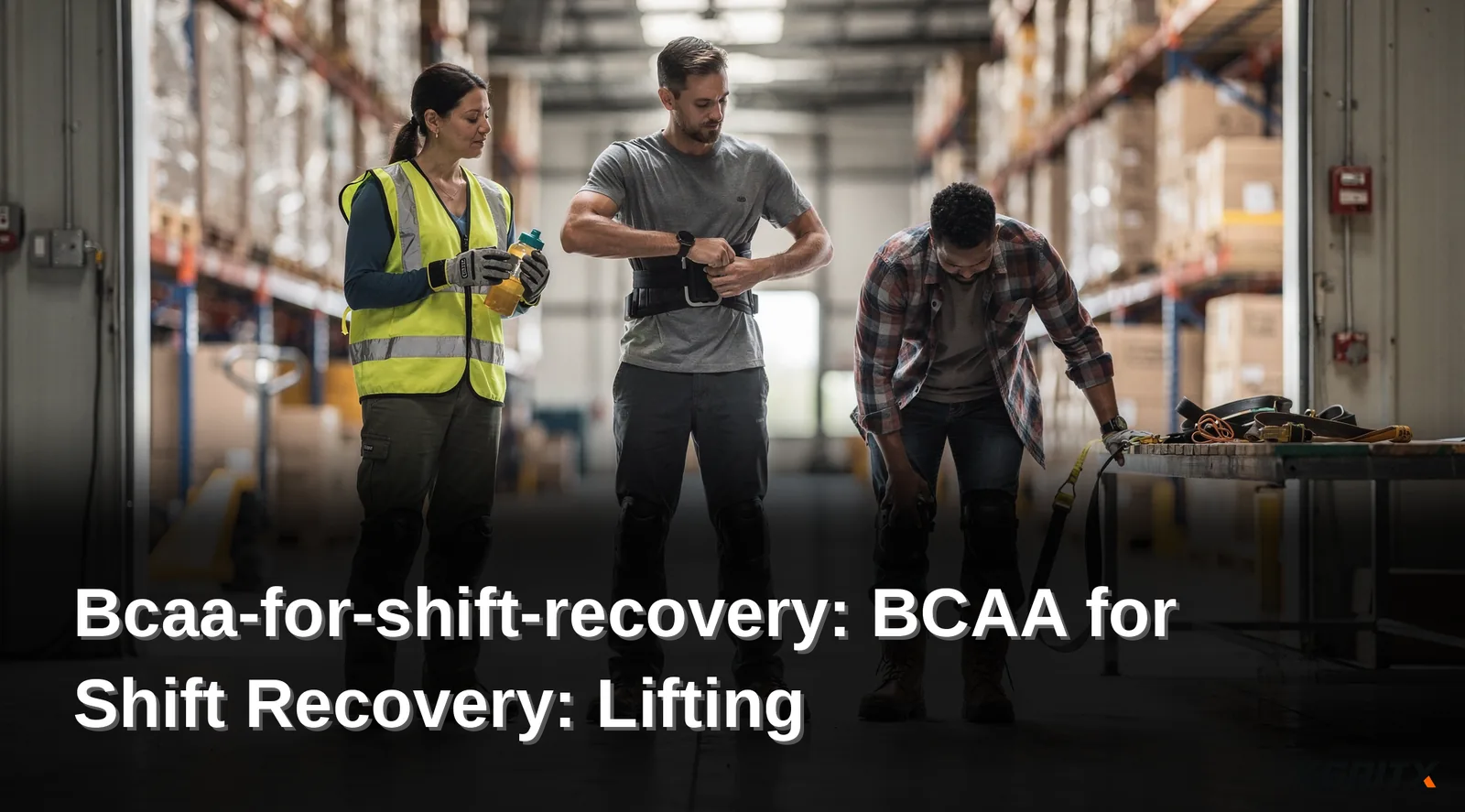
Effective BCAA strategies pair dosing around lifting intervals with steady hydration to blunt muscle breakdown across repetitive shifts. XGRITX's Heavy Lifting line combines BCAAs with creatine, whey isolate protein, and joint support, formulated for hauling and hours on hard floors. Consistent timing before and during shifts supports endurance, reduces fatigue, and protects muscle recovery shift after shift.
Key Takeaways
- RSIs cost employers $20 billion annually in workers' compensation and $100 billion in indirect expenses.
- Repetitive lifting motions cause cumulative injuries affecting fingers, wrists, elbows, and other body parts.
- BCAA supplementation reduces creatine kinase levels and improves recovery following eccentric lifting exercises.
- International RSI Awareness Day on February 28 highlights employer prevention responsibilities in workplace safety.
What Do You Need Before Your Lifting Shift?
A solid pre-shift routine requires targeted nutrition, not guesswork. Warehouse crews and industrial athletes face the same daily threat: doing the same motion over and over, shift after shift, wears down joints and muscles until injury sets in. Preparation matters because recovery has to start before the first pallet gets touched, not after the soreness hits.
XGRITX built its Heavy Lifting line around that reality. The lineup pairs BCAA for shift recovery with creatine, whey isolate protein, and joint support, dosed specifically for hauling, lifting, and long hours on concrete floors. Each component plays a different role in getting a body ready for repetitive strain.
What Should Go in a Pre-Shift Stack?
Workers preparing for a lifting-heavy shift generally need three categories covered:
- Amino acid support — branched-chain amino acids to help muscles handle repeated exertion
- Protein — whey isolate for muscle maintenance across long shifts
- Joint formulas — targeted support for knees, shoulders, and elbows under repeated load
Where Are These Formulas Made?
XGRITX operates out of Stanley, North Carolina, keeping production based in the United States. That domestic footprint lets the company keep formulation consistent for workers who depend on onsite recovery supplements every single shift.
How Do You Use BCAAs During Repetitive Lifting?
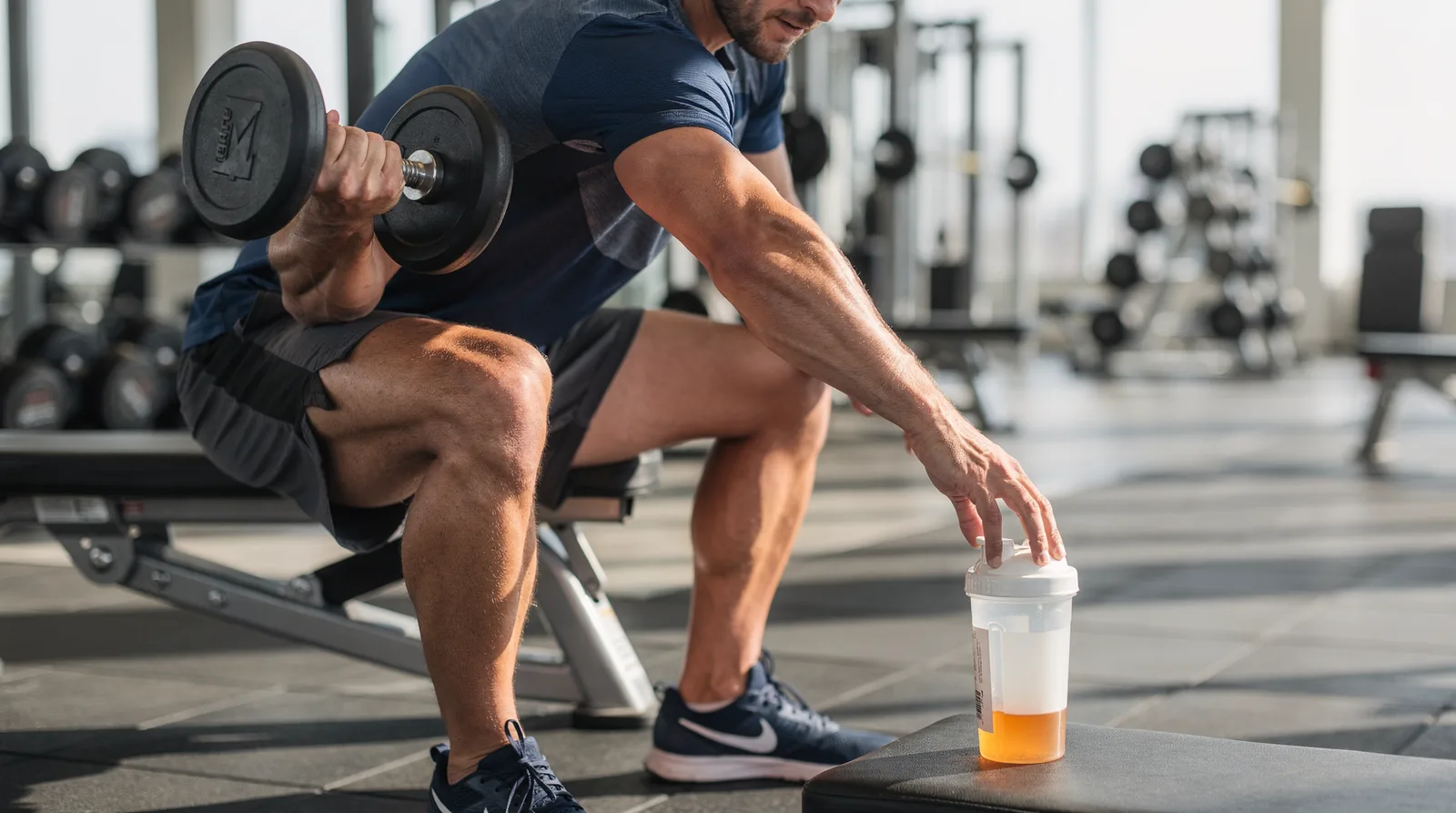
Effective BCAA for shift recovery timing follows a simple sequence: fuel before the shift, dose during breaks, and replenish after clock-out. Skipping any one of these steps leaves muscles more vulnerable to the wear and tear that comes with hour after hour of lifting, hauling, and carrying. The strategy behind this approach is straightforward. Build the muscle the job demands while protecting the joints carrying that load, shift after shift.
For workers ready to build an onsite recovery supplements routine, the process breaks down into four steps:
- Mix a BCAA serving with water 20-30 minutes before clocking in to prime muscles for repeated exertion.
- Take a second dose during a mid-shift break, especially on days involving palletising or repetitive carrying.
- Rehydrate with an electrolyte-infused BCAA formula immediately after the shift ends.
- Pair supplementation with proper lifting technique training to cut down on unnecessary strain during repetitive tasks.
What Does the Research Say About BCAAs and Muscle Damage?
Eccentric exercise studies — the kind involving lowering or lengthening motions similar to controlled lifting — show a measurable benefit. Researchers tracked creatine kinase, a blood marker of muscle damage, and found it ran lower at the 48-hour mark in the BCAA group compared to a placebo group.
Which Product Fits a Repetitive Lifting Shift?
COOL DOWN BCAA Powder with Electrolytes was built specifically for Heavy Lifting demands. This cool-down BCAA guide approach makes sense for anyone hauling freight or working hard floors shift after shift. The formula addresses both amino acid needs and fluid loss in one step.

What If Soreness Persists After Your Shift?
Lingering soreness usually points to two culprits: poor mechanics under load or an incomplete recovery routine. Warehouse crews and industrial athletes who skip proper posture during repeated lifts place unnecessary strain on muscles and joints, and no supplement fixes bad form. Correcting body mechanics first, then layering in targeted nutrition, gives sore muscles a real chance to bounce back before the next shift.
Does posture really matter that much for recovery?
Posture is the foundation everything else builds on. Workers trained on proper lifting and carrying technique reduce the repeated stress that leads to chronic soreness, no matter how solid their recovery stack is.
What should workers do when soreness sticks around?
For manual labor crews, the job itself is the workout, which is exactly why XGRITX built its Heavy Lifting line for real hauling and long hours on hard floors. When bcaa for shift recovery support isn't enough on its own:
- Review lifting posture and adjust technique
- Add onsite recovery supplements built for warehouse conditions
- Pair a cool down BCAA guide approach with JOINT DUTY's MSM and glucosamine for lingering joint stress


