

Plain creatine monohydrate does not break a fast for most people watching calories or blood sugar. A 5-gram scoop of pure creatine monohydrate has zero calories and does not trigger a meaningful insulin response, so it fits most fasting windows without pulling you out of a fasted state. That's the short version working guys and gals need before they head into a shift or a workout.

We built XGRITX around people who work 10- and 12-hour shifts, not people chasing a quick gym pump. A lot of our customers fast on purpose, whether it's for appetite control on a night shift, blood sugar management, or just skipping breakfast before a long haul. Creatine and fasting come up together constantly, and the answer changes a little depending on your specific goal. If you want a straightforward way to add creatine to your routine without guessing about labels or fillers, our Horsepower Creatine Monohydrate is unflavored, single-ingredient, and easy to check against your fasting rules before you scoop it into water.
The Short Answer Depends on Your Fasting Goal
Creatine's effect on a fast changes based on why you're fasting in the first place. Fat loss, ketosis, and metabolic health goals tolerate plain creatine well. Strict water fasts and autophagy-focused fasts ask for more caution.
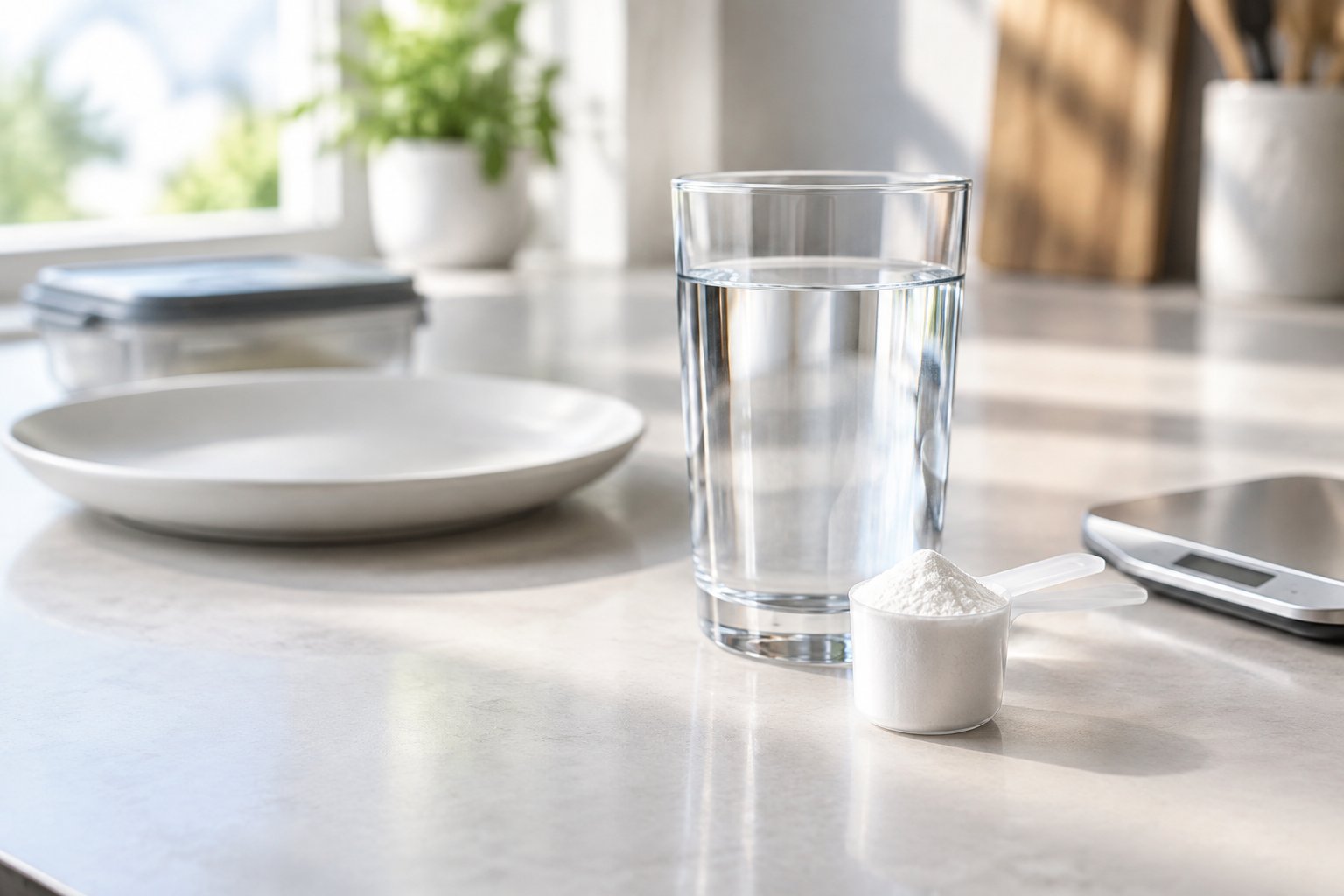
For Fat Loss, Metabolic Health, and Ketosis
If your fasting window exists to support fat loss or a calorie deficit, plain creatine monohydrate is not going to undo your progress. It carries no meaningful calories and does not spike blood glucose, so it won't knock you out of ketosis or interrupt fat oxidation. This makes it one of the easier supplements to keep during time-restricted eating, since it doesn't compete with your caloric intake goals.
For Strict Caloric Restriction and Extended Water Fasts
If your fast is a true water-only fast, or you're following a clinician-directed protocol, the rules get stricter. Some extended water fasting programs ask for nothing but water, black coffee, or electrolytes with zero additives. In that case, even a calorie-free supplement like creatine may not fit the letter of the protocol, so it's worth checking the specific guidelines you're following rather than assuming plain creatine is automatically approved.
For Autophagy, Cellular Repair, and Longevity
If your goal is autophagy or cellular repair, pure creatine likely will not interfere. Autophagy is driven mainly by low insulin and low amino acid availability, and creatine is not an amino acid and does not meaningfully raise insulin. Some longevity-focused fasting programs still prefer a completely clean fasting window, so if you're chasing a specific research protocol, matching your creatine timing to that protocol's exact rules is the safer move.
What Pure Creatine Does in a Fasted Body
Pure creatine monohydrate works through a different pathway than food, so it doesn't trip the same metabolic signals a meal does. It has zero calories per typical serving and doesn't behave like protein, carbs, or amino acids once it's in your system.
Calories, Blood Sugar, and Insulin Response
Creatine monohydrate doesn't raise blood sugar or trigger a real insulin spike when taken alone in water. It's not a carbohydrate and it's not digested for energy the way glucose is, so it doesn't ask your pancreas to release insulin. This is the main reason so many fasting-focused writers land on the same conclusion: plain creatine mixed with water is unlikely to meaningfully break a fast if your main concern is blood sugar or insulin, according to one analysis of plain versus flavored creatine formats.
How Creatine Supports ATP Regeneration and Work Capacity
Creatine helps your muscles regenerate ATP faster during hard, repeated effort. Your body stores creatine as phosphocreatine, which donates a phosphate group to rebuild ATP during sprinting, heavy lifts, and other high-output work. This is why the International Society of Sports Nutrition has recognized creatine monohydrate as one of the most well-studied performance supplements for building muscle strength and supporting short bursts of intense exercise.
Why Creatine Does Not Work Like Protein or BCAAs
Creatine skips the pathways that protein and BCAAs use. Protein and branched-chain amino acids like leucine can stimulate insulin release and activate muscle-building signals that some fasting protocols try to avoid. Creatine has no amino acid profile that does this, which separates it from products like whey protein or a BCAA recovery blend when it comes to fasting rules. If you're stacking creatine with either one, it helps to understand how the two behave differently during a fast, a topic we break down further in creatine vs protein for workers.
How to Read a Creatine Label During Your Fasting Window
The label tells you everything about whether a creatine product fits your fast. Single-ingredient creatine monohydrate is the cleanest option, while flavored powders, gummies, and blended formulas often carry hidden calories or sweeteners.
Why Single-Ingredient Creatine Powder Is the Simplest Option
A single-ingredient, unflavored creatine monohydrate powder gives you nothing to second-guess. There are no added sugars, no fillers, and no flavoring agents to weigh against your fasting rules. Our Horsepower Creatine Monohydrate is built exactly this way, with 5 g of creatine per serving and nothing else on the label, which is why it's an easy fit for most fasting windows.
When Flavored Creatine, Gummies, and Blends Can Interrupt a Fast
Flavored creatine, creatine gummies, and pre-workout blends often include dextrose, maltodextrin, or other sweeteners that carry real calories. These additions can raise blood sugar and trigger an insulin response, which puts them in a different category than plain powder. If a product combines creatine with BCAAs or other amino acids, treat it like a food decision, not a fasting-safe supplement, since amino acids can prompt the same insulin and muscle-building signals that fasting protocols try to avoid.
What to Mix With Creatine During a Fast
Plain water is the simplest mixer for creatine during a fast. Black coffee or unsweetened tea work too, and pairing creatine with a zero-calorie electrolyte source helps with hydration on long shifts without adding sugar. If hydration is a bigger concern than creatine timing, our guide on pure hydration for long shifts covers how to keep electrolytes in check while fasting.
Timing Creatine Around Fasted Workouts and Long Shifts
Daily consistency matters more than the exact clock time you take creatine. Whether you train fasted or take creatine before a fasted shift, the bigger factor is whether you hit your daily dose regularly.
Does Creatine Timing Matter More Than Daily Consistency?
Consistent daily intake drives creatine's benefits more than the specific hour you take it. Creatine builds up in your muscle tissue over days and weeks, so muscle creatine stores rise gradually rather than spiking after a single dose. Skipping a day here or there matters less than skipping it regularly, which is good news if your fasting window shifts around a rotating shift schedule.
Taking Creatine Before or After a Fasted Workout
Taking creatine before a fasted workout or after it both work, since the muscle-saturation effect builds over time rather than in a single session. Some people prefer it before training for the mental routine, others take it right after to pair with a post-workout meal. If you're training fasted and want a separate boost for the workout itself, our breakdown of pre-workout timing for shifts covers how to stack that timing without breaking your fasting rules.
Supporting Muscle Maintenance, Recovery, and Hydration
Creatine supports lean muscle maintenance and recovery, which matters during a fasting phase when your body is more likely to pull from muscle tissue for energy. It also pulls water into muscle cells, so staying ahead of hydration and electrolytes helps offset any water retention or dehydration risk. For workers doing physical labor on a fasting schedule, pairing creatine with steady glycogen management and recovery habits, covered in our guide on creatine for workers, helps keep performance steady through a shift.
Choose Plain Creatine for a Practical Fasting Routine
Plain creatine monohydrate is the most practical choice for anyone fasting and lifting on a work schedule. It fits cleanly into most fasting windows because it carries no calories, no sugar, and no ingredients that shift your metabolic state.
Our Horsepower Creatine Monohydrate delivers 5 g per serving with 60 servings per container, and the label lists creatine monohydrate as the only ingredient. That kind of full disclosure makes it easier to line up against whatever fasting rules you're following, whether you're managing an eating window around a night shift or trying to hold onto lean mass through a physically demanding stretch of work.
Conclusion
Pure creatine monohydrate mixed with water fits most fasting goals, since it carries no calories and doesn't trigger a real insulin response. The exceptions come with strict water-only fasts, clinician-directed protocols, or flavored and blended creatine products that add sugar or amino acids. Reading the label, sticking to a single-ingredient powder, and staying consistent with your daily dose are the practical habits that keep creatine and fasting working together instead of against each other.
Frequently Asked Questions
Can I take creatine while intermittent fasting?
Yes, plain creatine monohydrate mixed with water fits most intermittent fasting schedules. It has no meaningful calories and doesn't trigger insulin release, so it won't interrupt a typical 16:8 or similar eating window.
Does flavored creatine break a fast?
Flavored creatine can break a fast if it contains added sugars, dextrose, or other sweeteners that raise blood glucose. Checking the label for hidden carbohydrates is the simplest way to know before you take it.
Does creatine break autophagy?
Pure creatine is unlikely to interrupt autophagy, since autophagy responds mainly to low insulin and low amino acid levels, and creatine doesn't meaningfully raise either. Strict autophagy-focused protocols may still prefer a completely clean fasting window, so following your specific program's rules is worth checking.
Does creatine break ketosis?
Plain creatine monohydrate does not break ketosis, since it contains no carbohydrates and doesn't spike blood sugar. It's a separate compound from the fats and carbs that ketosis tracks.
What is the best time to take creatine when fasting?
There's no single required time, since creatine builds up in muscle tissue over days rather than acting instantly. Many people take it before or after a fasted workout, or simply with their first dose of water in the morning, as long as they take it consistently.
Does creatine break a fast before blood work?
Creatine may still affect certain lab markers even though it has no calories, so it's worth checking with whoever ordered the blood work before taking it beforehand. Some tests specifically ask for a completely clean fasting window with no supplements at all.


