How Long Do Electrolytes Take to Work? A Shift-Work Guide

Availability checked October 23, 2026: XGRITX Hydration Formula – Fruit Punch is currently unavailable to order. It is a tub of powder, not individual sticks, and its ingredient list includes dextrose. Check the current product page for availability and the full label.
Most people feel some relief within 10 to 15 minutes of drinking an electrolyte beverage, with fuller rehydration taking anywhere from 45 minutes to several hours depending on how dehydrated they started out. If you work a 10- or 12-hour shift on your feet, that timeline matters a lot more than it does for someone who just finished a light jog.

We built XGRITX around exactly this kind of real-world timing. Founder Craig Roberts spent more than 20 years in warehouse operations, and he knows the difference between sipping water on a lunch break and actually needing your body to keep performing for hours after. Our Hydration Formula was built with that gap in mind, with sodium, potassium, chloride, and magnesium in every scoop. If you want to see how it fits into a long shift, the supplements collection is a good place to start, or call us at (980) 241-5710 with questions about what your crew needs.
When Will You Feel a Difference?
Early relief shows up fast, but full rehydration takes longer and depends on how much fluid you've lost. Knowing the difference between "feeling better" and "actually rehydrated" keeps you from stopping too soon on a long shift.
What Can Happen in the First 15 to 30 Minutes?
Liquid electrolytes start entering your bloodstream within 10 to 15 minutes of drinking them, since liquids skip the digestion step solid food needs. Sodium and potassium cross into your blood from the small intestine, with blood levels typically peaking somewhere between 20 and 40 minutes after you drink, according to a rehydration analysis from Warrior Salt on how long electrolytes stay in your body.
Why Might Feeling Better Take an Hour or Longer?
More significant dehydration simply needs more time and more fluid. If you've gone hours without drinking during a hot shift, one bottle isn't going to reverse that in 15 minutes. Expect a gradual return to normal over the next hour or two, not an instant switch.
How Can You Tell Rehydration Is Helping?
Watch your urine color and your energy level. Pale yellow urine, less thirst, and steadier focus are good signs rehydration is working as it should.
Will Electrolytes Fix Muscle Cramps or Fatigue?
Electrolytes help with cramps tied to sodium loss, but they won't fix fatigue caused by lack of sleep or poor nutrition. Sodium is the electrolyte your body burns through fastest during heavy sweating, so replacing it is usually the first thing that eases cramping.
Why Can Recovery from Heavy Fluid Loss Take Hours?
Heavy sweat loss over a 10- or 12-hour shift can mean losing both fluid and sodium faster than you can replace them in one sitting. Full recovery after serious fluid loss can take several hours or longer, often requiring steady intake instead of one big drink.
What Should You Do If You Still Feel Unwell?
Keep drinking small amounts steadily and add a little food with salt if you can. If symptoms like dizziness or a pounding headache don't ease up after steady fluid intake, that's a signal to stop and reassess, not push through the rest of your shift.
When Should You Ask a Clinician About Ongoing Symptoms?
Talk to a doctor if symptoms like confusion, rapid heartbeat, or no urine output show up or don't improve with fluids. Those can point to something beyond simple dehydration, and they're not something to wait out at work.
What Changes the Rehydration Timeline?
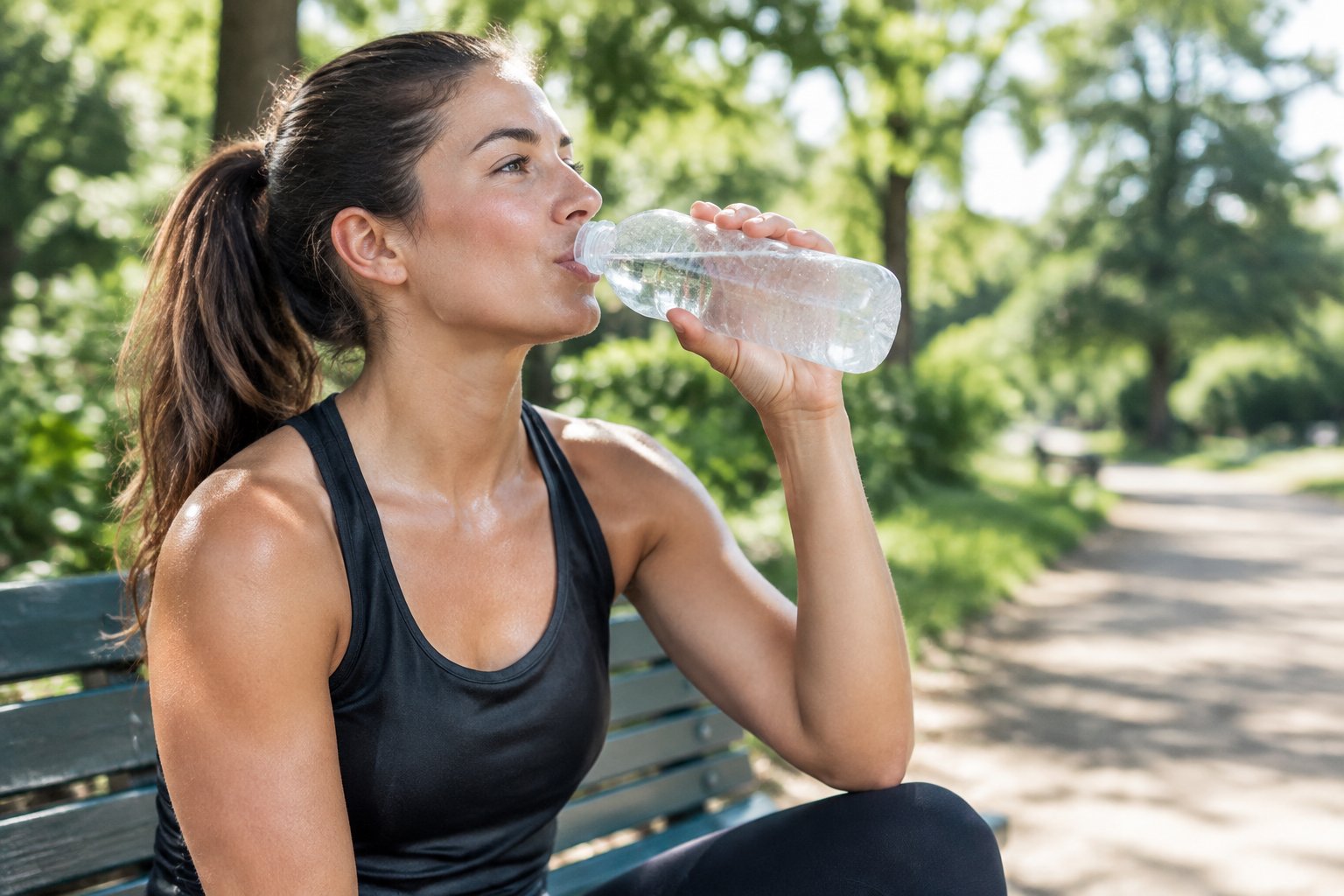
How fast electrolytes work depends on how much you've sweated, what else is in your drink, and how your gut absorbs it. A few basic factors explain most of the variation people notice.
How Do Sweat Loss, Heat, and Continued Work Affect Recovery?
Heat and physical effort speed up sodium and chloride loss through sweat, which means recovery takes longer the hotter and harder you're working. A runner's sweat rate averages around 1,200 mL per hour, though it can range from 400 to 2,400 mL depending on intensity and heat, according to Runner's World. Warehouse and jobsite work in the heat follows a similar pattern, so continuing to work while dehydrated just extends the timeline.
How Do Fluid Volume, Food, and Drink Concentration Affect Absorption?
Drink concentration and whether you've eaten both change how fast fluids move through your system. Solid food in your stomach slows how quickly an electrolyte drink reaches your small intestine, while a dissolved powder is already in a form your gut can absorb right away.
What Happens After Electrolytes Reach the Small Intestine?
Sodium and glucose team up to pull water into your bloodstream faster through a transporter called SGLT1. This sodium-glucose cotransport mechanism is the same one behind the World Health Organization's oral rehydration solution formula, which is why a little sugar alongside sodium can speed up absorption instead of slowing it down.
Why Are Electrolyte Losses Different from Person to Person?
Sweat sodium content varies enormously between people, ranging from about 115 mg to more than 2,000 mg per liter of sweat, per Runner's World. Age, kidney function, and your hydration status going into a shift all shift the timeline too, so two coworkers doing the same job can need very different amounts of fluid.
How Should You Use Electrolytes on a Long Shift?
Drinking electrolytes before your shift starts works better than waiting until you're already thirsty. Spacing intake across the day, rather than front-loading it, keeps sodium levels steadier through hour 10 or 12.
When Should You Start Drinking Before a Hot or Physically Demanding Shift?
Start drinking an electrolyte beverage about an hour before clocking in if you're heading into heat or heavy lifting. Getting ahead of fluid loss gives your body a baseline instead of playing catch-up once you're already sweating.
How Can You Replace Fluids and Electrolytes While Working?
Sip steadily through breaks instead of chugging one big bottle at lunch. Pairing fluids with a little food that has sodium in it can help your body hold onto the water instead of flushing it straight through.
Which Drink or Format Fits Your Situation?
Electrolyte powders, tablets, and ready-to-drink options all work, but they're not identical. Sports drinks often lean heavier on sugar content than sodium content, while an oral rehydration solution is built with a closer sodium-to-glucose ratio for treating real dehydration. Options like SaltStick FastChews are formatted as chewable tablets for people who want electrolytes without mixing a drink.
| Format | Best for | Notes |
|---|---|---|
| Electrolyte powder | Steady sipping through a shift | Mixes into a water bottle, easy to carry |
| Electrolyte tablets | On-the-go dosing without liquid prep | Dissolve in water or chew directly |
| Sports drinks | Short bursts of activity | Often higher in sugar than sodium |
| Oral rehydration solution | Serious fluid loss, illness | Closer to clinical sodium-to-glucose ratio |
How Does XGRITX Hydration Formula Fit into a Shift Plan?
Our Hydration Formula is built around sodium, potassium, chloride, and magnesium, with 60 servings in every container. It's meant to be mixed before your shift or sipped during breaks, not saved for when you already feel wiped out. If you're figuring out how to build hydration into a full shift routine, our guide on staying hydrated during 12-hour shifts walks through the practical side of it.
When Is an Electrolyte Drink Not Enough?
An electrolyte drink can't treat heat stroke, severe dehydration, or dangerously low blood sodium, and pushing through those conditions is risky. Knowing the warning signs matters more than knowing the exact timeline once things get serious.
What Are the Warning Signs of Heat Illness or Severe Dehydration?
Confusion, rapid heartbeat, no urine output, and extreme fatigue are signs that go beyond what a drink can fix. These point toward heat illness or severe dehydration, and they call for stopping work and getting medical attention, not another bottle of fluid.
Why Can Drinking Too Much Water Be Dangerous?
Drinking large amounts of plain water too fast can dilute blood sodium, a condition called exercise-associated hyponatremia. A widely cited 2015 international consensus statement found that drinking according to thirst, instead of a fixed schedule, is generally enough to prevent both dehydration and hyponatremia in most situations, as described in the Warrior Salt piece on electrolyte absorption and overhydration risk. Symptoms of hyponatremia, like nausea, confusion, and swelling, can look a lot like dehydration even though the cause is the opposite.
Who Should Check with a Clinician Before Using Electrolyte Products?
Anyone with kidney disease, heart problems, or who takes diuretics should talk to a doctor before adding electrolyte products to their routine. The same goes for anyone with ongoing symptoms that don't improve with steady fluid intake.
Plan Ahead Rather Than Waiting to Feel Drained
Electrolytes start working within 15 minutes, but full rehydration after a tough shift can take hours, so starting early beats trying to catch up. Drinking before your shift, pacing fluids through breaks, and matching your drink's sodium content to how hard you're sweating all shorten that gap.
Severe symptoms like confusion or a racing heart are never something to wait out on the clock. For routine shift hydration, steady and early beats big and late, every time.
Frequently Asked Questions
How long does it take for electrolyte drinks to work?
Most people notice some relief within 10 to 15 minutes of drinking an electrolyte beverage, with blood levels peaking between 20 and 40 minutes. Full rehydration after significant fluid loss can take several hours.
Do electrolytes hydrate you faster than water?
Electrolyte drinks with sodium can move water into your bloodstream faster than plain water alone, thanks to the sodium-glucose cotransport process in your small intestine. Plain water is usually enough for everyday hydration, but electrolytes help more during heavy sweating or long shifts.
How long does it take for electrolytes to help with cramps?
Cramp relief often shows up within 30 to 45 minutes as sodium levels start to recover. Cramps tied to other causes, like overuse or poor conditioning, may not respond to electrolytes at all.
How often should I drink electrolytes during a long shift?
Spacing intake through the day, starting before your shift and continuing through breaks, works better than one large dose. Sipping steadily keeps sodium levels more stable than waiting until you feel thirsty.
Do I still need water if I drink electrolytes?
Yes, electrolyte drinks work alongside water, not instead of it. Drinking only concentrated electrolytes without enough plain water can throw off your fluid balance just as much as drinking too little.
How long do electrolytes last in your body?
Sodium and chloride get regulated by your kidneys within about a day, while potassium turns over more slowly, according to Warrior Salt. Magnesium and calcium are stored mostly in bone and tissue, so they don't deplete the same way sodium does after a single sweaty shift.