

Grass Fed Whey Isolate: Supplements for Blue-collar Workers
By XGRITX Editorial Team · Updated 2026-07-29
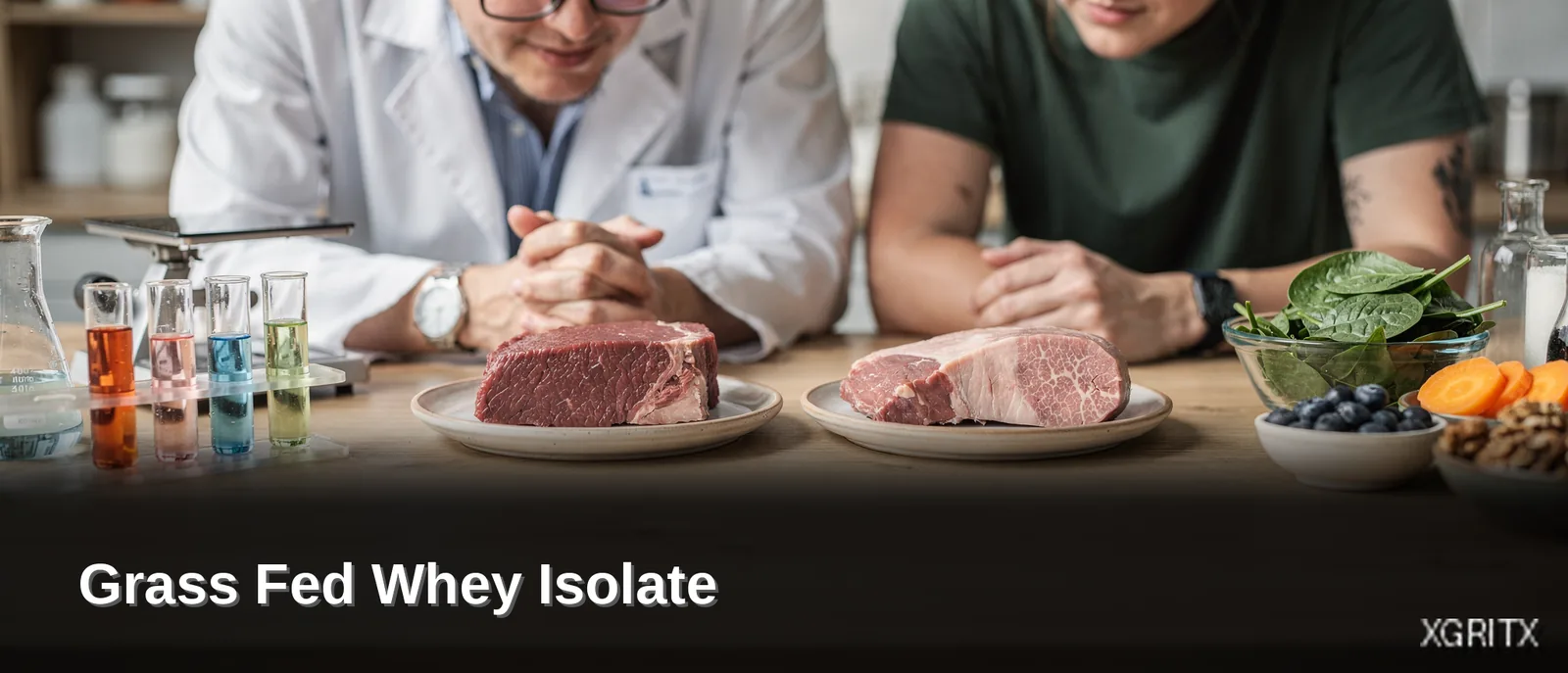
Grass-fed beef contains higher omega-3 fatty acids and significantly more CLA than grain-fed beef, along with more vitamin E. Grain-fed beef offers more marbling and calories. Nutritional differences remain modest, so overall health impact depends largely on total diet and consumption patterns.
Nutrient composition, not overall health superiority, differs: grass-fed beef contains higher levels of phytochemicals with anti-inflammatory properties compared to grain-fed beef. Diet directly affects these nutrient variations. Grain-finished cattle are typically fed corn to accelerate growth after spending most of their lives on grass.
Grass-fed beef's nutrient composition is influenced by various factors, including the cattle's diet and production practices. Grain-fed cattle, common across mass-production systems in the United States, eat corn and soy diets that fatten animals quickly and alter taste. Grass-fed nutrient advantages are modest, so shoppers should consider their personal priorities when evaluating price differences.
Does Grass-Fed Beef Really Have More Nutrients?
Yes — the numbers back it up. Beef from grass fed cattle carries roughly twice the omega-3 fatty acids found in grain-fed beef, translating to about 30 milligrams more per serving. That gap matters for shoppers weighing a higher price tag against real nutritional payoff, not marketing spin.
The omega-3 difference isn't the only advantage on the table. Research from scientist Van Vliet found that samples of grass fed whey isolate sources. Cattle raised on pasture — contained higher levels of beneficial phytochemicals than their grain-fed counterparts. These plant-derived compounds carry antioxidant properties, the same category of nutrients prized in leafy greens and berries.
Is grass-fed beef worth the extra cost at the grocery store?
For shoppers prioritizing omega-3 intake and phytochemical density, the nutritional case holds up under scrutiny. The premium price reflects a measurable difference, not just a label trend.
How can shoppers verify grass-fed claims are legitimate?
Package labels alone don't guarantee accuracy. Shoppers should look for the same independent, third-party verification that reputable grass fed isolate protein and supplement brands rely on to prove label claims match what's actually in the product. Lab-tested confirmation, not just marketing language.
| Feed Type | Omega-3 Content | Phytochemical Levels |
|---|---|---|
| Grass-fed | Higher (~30mg more/serving) | Higher |
| Grain-fed | Baseline | Lower |
The takeaway: grass fed protein powder shoppers and beef buyers alike should demand proof, not just promises, before paying more.
How Are Grass-Fed And Grain-Fed Cattle Raised?
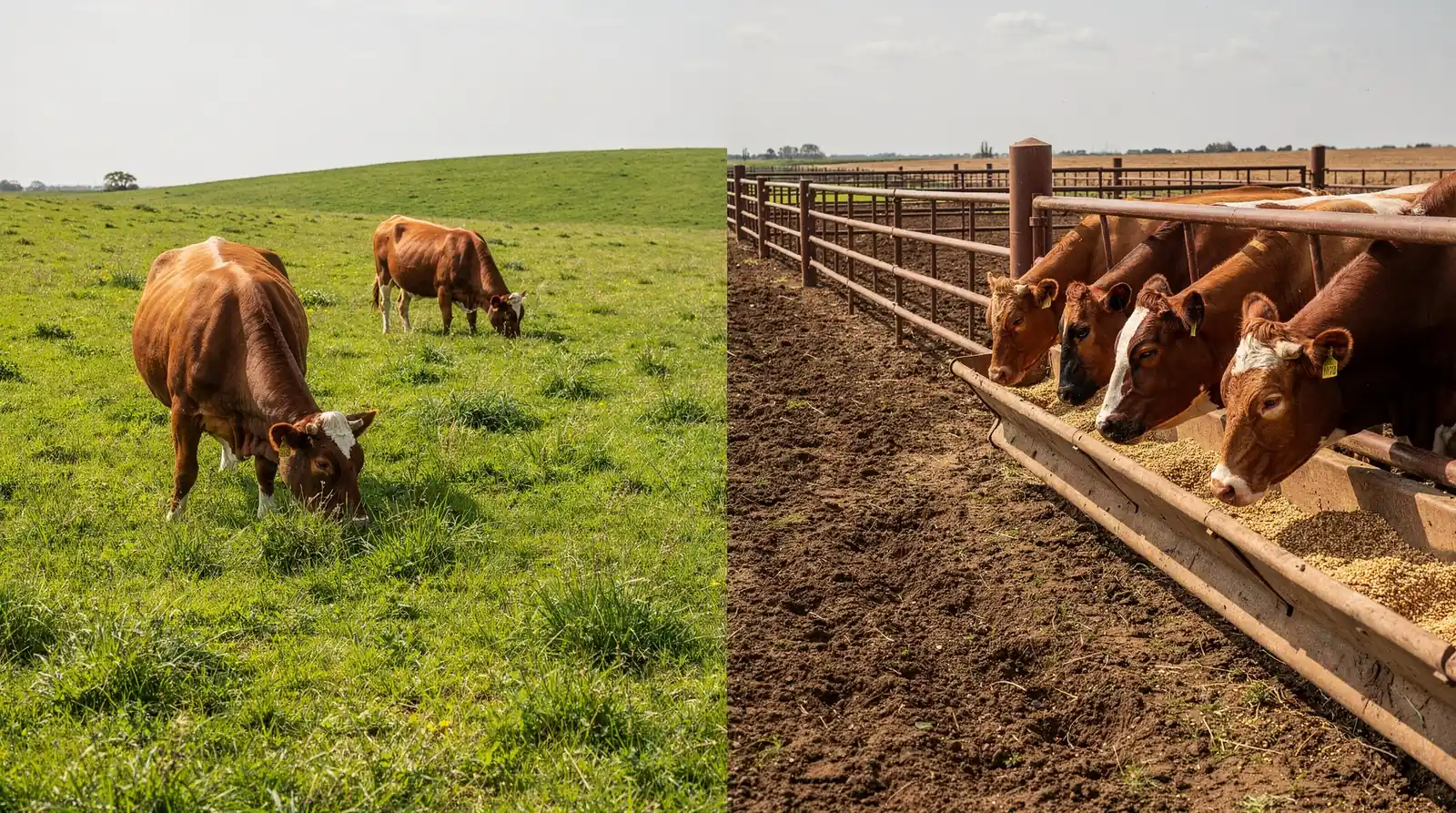
Cattle raising splits into two paths early in life, and the label on the package rarely tells the full story. USDA rules permit grass fed claims even when a cow ate grain for months. Long as the final 90 days before slaughter were spent on pasture. That loophole matters for shoppers who assume "grass fed" means grass from birth to slaughter.
Grain-fed cattle typically finish on corn or soy-based feed to speed weight gain and boost marbling. Grass-fed operations skip that finishing step, relying on forage the entire time or at minimum through the final three months. Neither system is inherently fraudulent — but the terminology hides real differences in practice.
Does "Grass Fed" Always Mean What Shoppers Think?
Not always. The 90-day rule means a package reading grass fed protein powder or beef could still involve grain-fed months. Shoppers serious about sourcing should look for stricter labels like "grass-fed, grass-finished" for full-lifecycle assurance.
The same scrutiny applies beyond the meat case. A grass fed whey isolate or grass fed isolate protein powder deserves the same verification standard as beef. A claim like "Made in USA" only carries weight when backed by an actual production standard, not marketing copy. Clear, checkable claims build trust in the supplement aisle the same way they should at the butcher counter, giving buyers of any grass fed isolate protein product real confidence instead of guesswork.
Is Grass-Fed Protein Powder Worth The Cost?
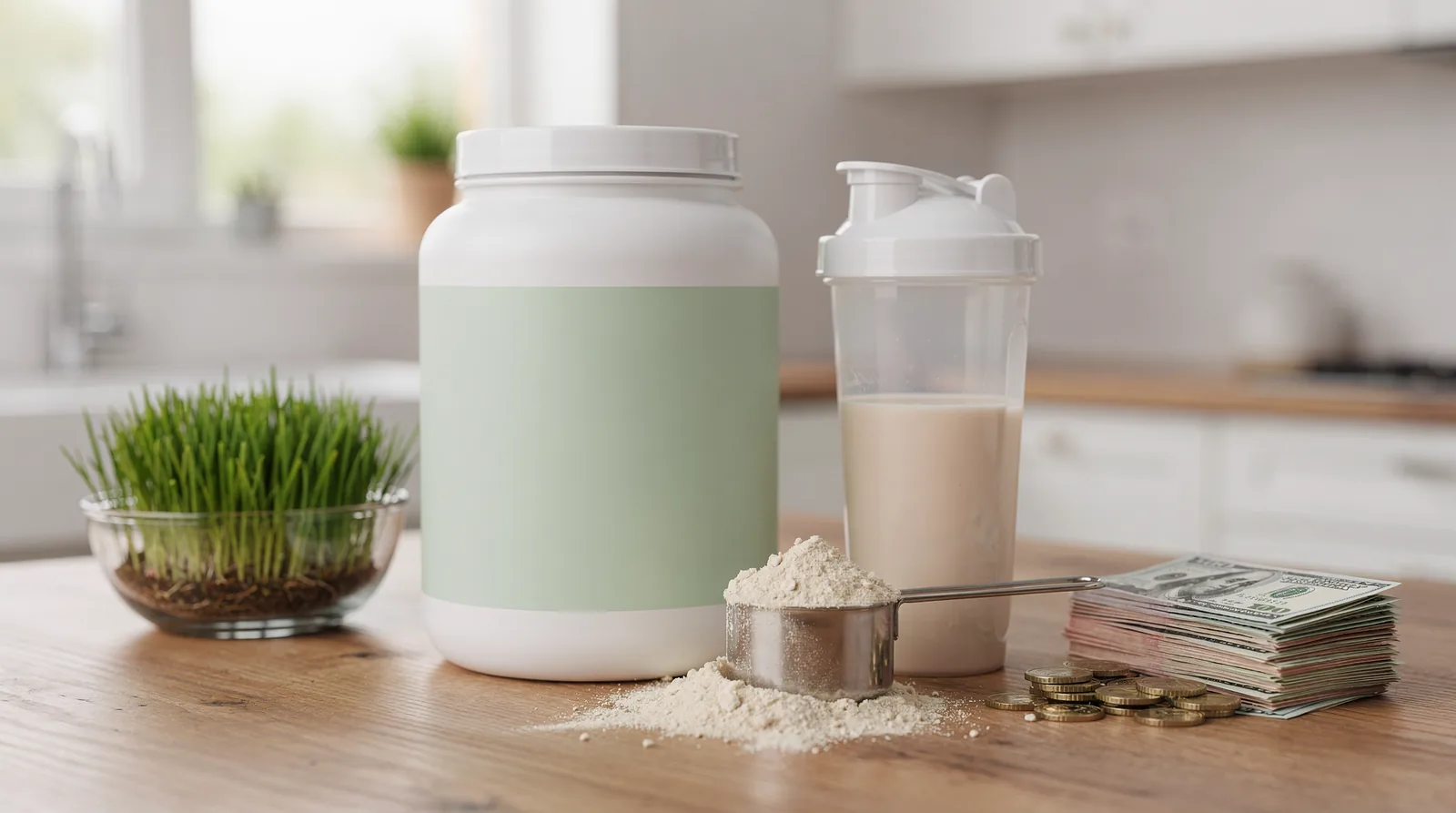
Value depends on what shoppers already expect from clean-label beef. Grocery shoppers who choose grass fed beef for its cleaner nutrient profile typically hold protein supplements to that same standard, looking for a grass fed whey isolate built for recovery rather than a bulk commodity blend. cite-3 That same instinct that drives a shopper toward pasture-raised beef translates naturally to how they read a supplement label.
Cost comparisons rarely favor premium products bought one at a time. Buyers weighing a grass fed isolate protein against a standard whey often find better math in bundled offers. Two products purchased together lower the per-unit price instead of paying full retail for each.
Does Grass-Fed Protein Powder Actually Taste Different?
Taste drives much of the grass-fed decision, in beef and in supplements alike. Many buyers choose grass-fed options for flavor preference as much as for any nutrition claim. That same expectation carries into how a grass fed protein powder gets judged at the counter.
Trust is the real currency here. Consistent quality, transparent sourcing, and a track record with working consumers are what justify the premium on a grass fed isolate protein powder, not marketing alone.
The grass-fed versus grain-fed debate ultimately hinges on your priorities and work demands. Grass-fed beef delivers superior nutrient density and omega-3 profiles that support sustained energy and recovery for physically demanding shifts. Grain-fed offers consistent availability and affordability. For warehouse and logistics workers pushing through ten-hour days, the nutritional edge of grass-fed beef—combined with cleaner sourcing—justifies the investment in your body's durability and long-term resilience.


