

Wpi Protein Isolate: Whey Protein Isolate: Choose the Best WPI
By XGRITX Editorial Team · Updated 2026-07-29
Whey protein isolate is a highly filtered milk-derived protein containing 90% or more protein by weight, with minimal lactose and fat. The best WPI delivers 25-27g protein per scoop, undergoes third-party testing (e.g., Informed-Sport certification), contains under 1g sugar, and mixes easily without artificial fillers.
Whey Protein Isolate, a highly refined milk-derived powder containing eight whey proteins like beta-lactoglobulin and alpha-lactalbumin, differs from Whey Protein Concentrate by removing more fats, lactose, and milk solids. Choose WPI over WPC for cleaner texture, higher protein purity, and better suitability in ready-to-drink beverages and protein bars.
Whey protein isolate (WPI) is a filtered milk-derived protein containing roughly 90% or more protein by weight, with lactose and fat stripped out during processing. Lifters comparing WPI against whey concentrate should check third-party lab testing, protein-per-scoop percentage, ingredient transparency, and drug-test-safe certification before choosing a product like XGRITX's supplement lineup.
What Sets WPI Apart From Regular Whey?
Filtration level separates a true wpi protein isolate from standard whey concentrate. Regular whey starts as a liquid leftover from cheese-making, curdled out of cow's milk with enzymes, then pasteurized and dried into powder. That base process is the same for every whey product. Isolate goes through additional filtering to strip away more fat, lactose, and non-protein solids.
The result matters for lactose-sensitive lifters and anyone tracking fat intake closely. A wpi whey protein isolate delivers a leaner protein profile with less digestive baggage than concentrate.
Is WPI Better Than Regular Whey Concentrate?
For lifters managing lactose sensitivity or strict macros, wpi whey isolate typically wins on purity. Concentrate remains a solid budget option, but isolate cuts more of the non-protein material during processing.
XGRITX builds its wpi isolate protein line around real recovery demands, not gym aesthetics. Heavy Load, the brand's whey isolate powder, targets muscle recovery for people on their feet through long shifts rather than posing for selfies. Every batch of wpi isolate ships drug-test safe, third-party lab tested, and made in the USA. cite-2
Recovery-focused customers can also stack Heavy Load with another product and get a notable share off automatically at checkout — no code needed.
What Are the Benefits of Fast-Digesting Whey Protein Isolate for Muscle Building?
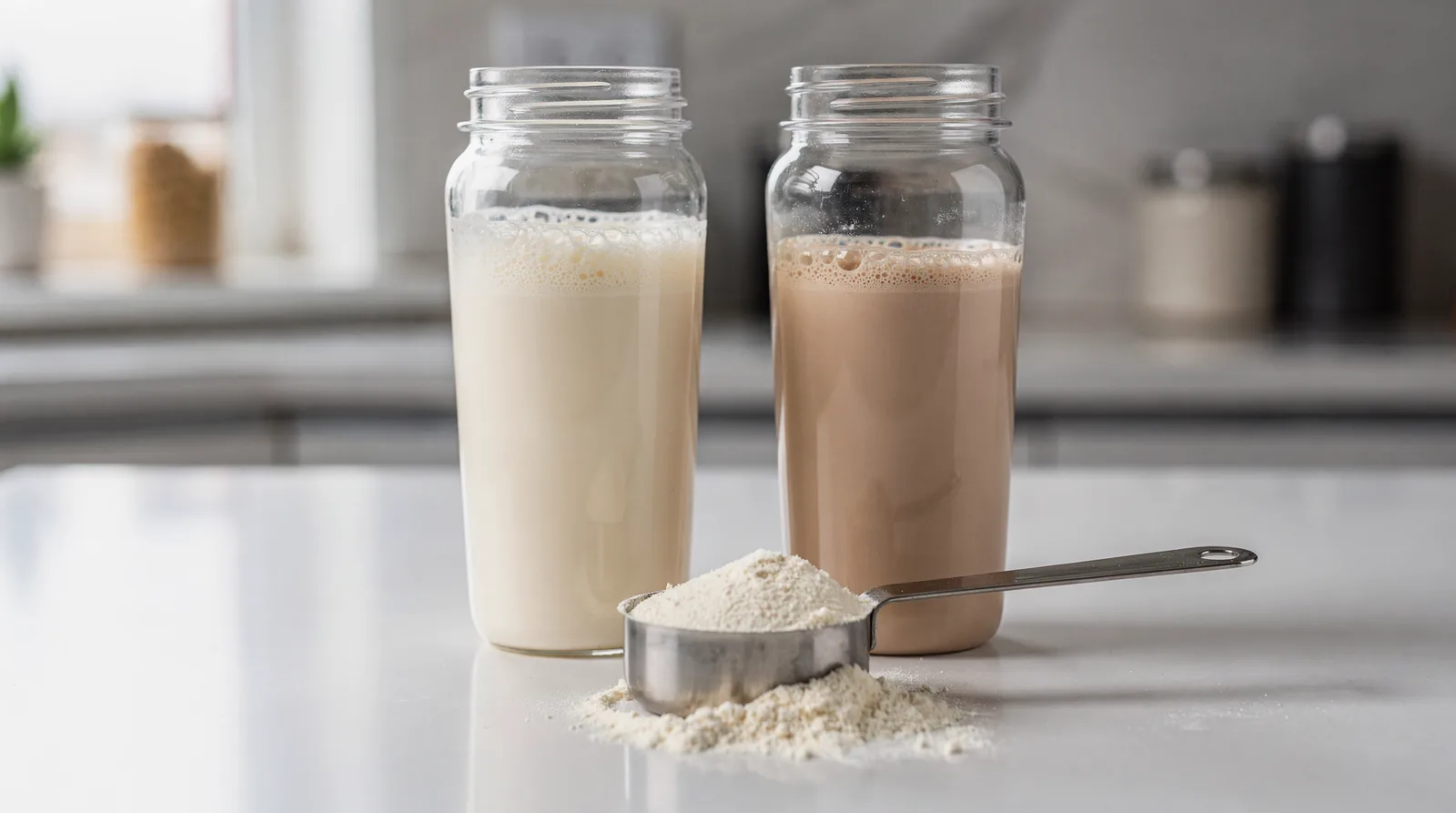
Whey protein isolate earns its reputation as a fast-digesting protein powder because the extra filtration leaves almost nothing standing between the protein and the bloodstream. Once fat, lactose, and other non-protein solids are stripped away, the body absorbs the remaining amino acids quickly, delivering aminos to muscle tissue right when it needs them most.
That speed matters most in the window after a heavy shift or a hard training session, when muscle fibers are broken down and ready to rebuild. A scoop of true wpi protein isolate typically delivers 25-27g of protein, packed with the essential amino acids—especially leucine—that trigger muscle protein synthesis. For lifters and laborers alike, that combination of high whey isolate protein content and fast absorption translates into less soreness and a quicker return to full strength.
The benefits go beyond raw muscle building. Because isolate strips out most of the lactose, it also works as a lactose-free protein powder option for anyone who bloats or feels sluggish after standard whey concentrate. That's the difference between a supplement that fuels a 10-hour shift and one that fights against it.
How Does WPI Compare To WPC?
WPI protein isolate strips away far more fat, lactose, and carbohydrate than its concentrate counterpart during processing. Whey protein concentrate (WPC) typically lands around 80% protein, still carrying complete amino acids, fat-soluble vitamins, and low-but-present lactose. That extra lactose and fat load is exactly where lifters watching body composition or dairy tolerance run into trouble.
Nutrition experts point out that WPC often contains milk solids, casein, milk powder, and residual fats. Ingredients tied to bloating, gas, and constipation in sensitive users. That's a major reason many recommend a wpi whey protein isolate instead for cleaner digestion. Processing choice also shows up in mouthfeel: picking the wrong format can leave a ready-to-drink shake gritty rather than smooth.
| Factor | WPC | WPI |
|---|---|---|
| Protein content | ~80% | Higher, more concentrated |
| Lactose | Low, but present | Minimal to none |
| Fat/carbs | Present | Stripped during filtration |
| Digestive comfort | Can trigger bloating | Generally gentler |
Which one digests easier for lactose-sensitive lifters?
WPI isolate removes most of the lactose and milk solids responsible for gut discomfort. Lifters who react poorly to concentrate often tolerate isolate without issue.
Is WPI worth the higher cost?
XGRITX's chocolate whey isolate, Heavy Load, retails at pricing varies per tub. A premium reflecting the extra filtration behind true wpi isolate protein. cite-2
How Do You Pick The Best WPI?
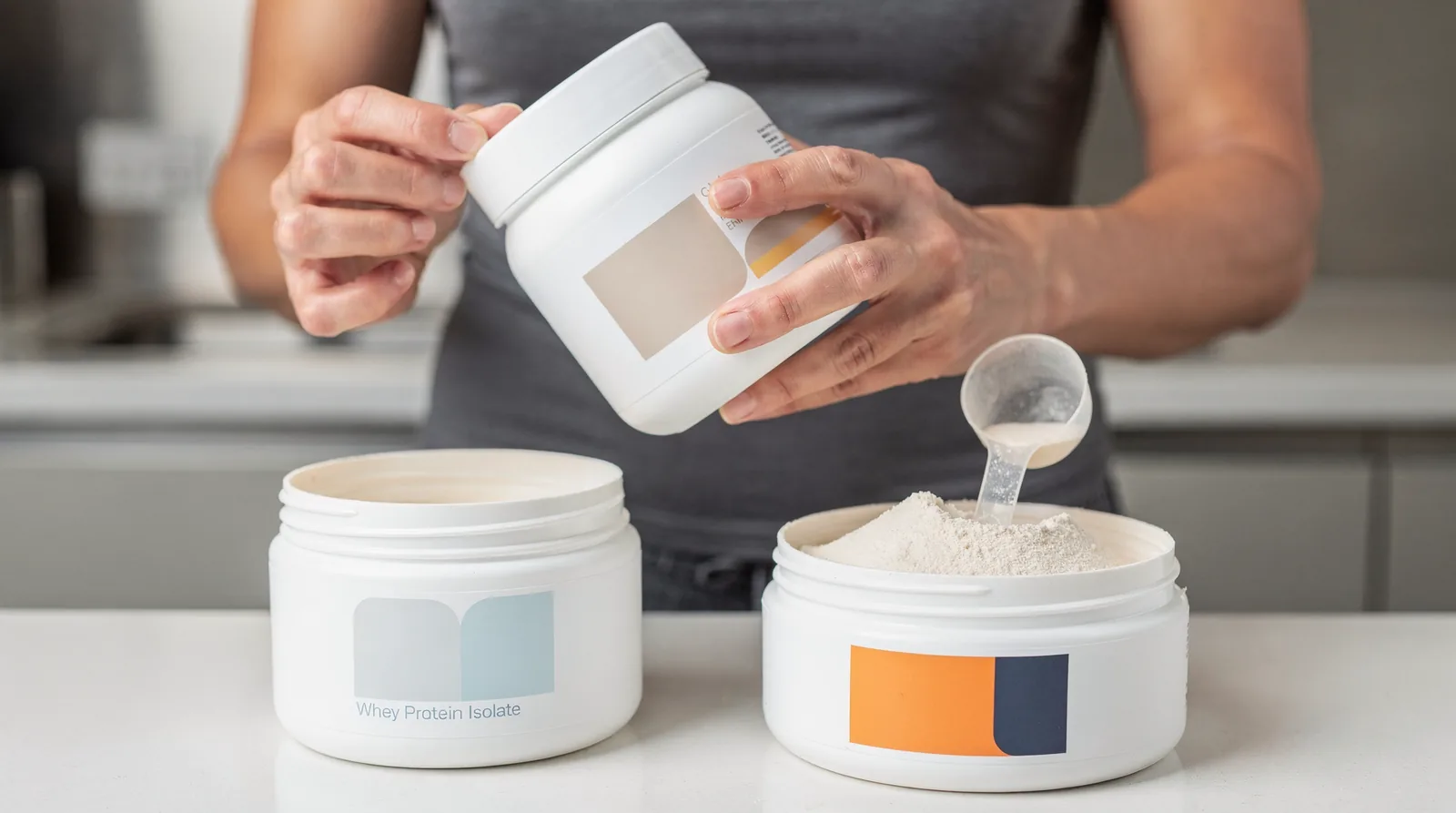
Selecting the best wpi protein isolate starts with three non-negotiables: lab verification, real recovery performance, and clean digestion. Purity claims mean nothing without proof. Lifters should confirm drug-test-safe, third-party lab-tested status before any product earns a spot in a stack.
A quality wpi whey protein isolate targets actual recovery demands, not gym-selfie marketing. Formulas built for 10-hour shifts on concrete floors need to deliver energy that lasts, joints that keep moving, and recovery that works. The same bar intermediate and advanced lifters should hold their protein to.
Four checkpoints separate a legitimate wpi whey isolate from a marketing gimmick:
- Lab-tested purity with drug-test-safe certification
- Built for sustained energy and joint support, not just a pump
- Isolate processing chosen over concentrate for cleaner digestion
- Stackable with other recovery products for combined value
Is WPI Better Than WPC For Lifters?
Experts frame the decision explicitly as choosing isolate over concentrate. Lactose-sensitive or fat-conscious lifters get less bloating and a leaner macro profile when picking wpi isolate protein over standard concentrate.
Can Lifters Stack Whey Isolate With Other Recovery Products?
Pairing a wpi isolate with a complementary product, like a BCAA powder, unlocks combined savings automatically at checkout. That stacking discount rewards lifters who build a complete recovery routine instead of buying one product at a time.
Whey protein isolate delivers the concentrated protein your body demands for recovery after demanding physical labor. Choosing the right WPI means prioritizing third-party testing, transparent ingredient lists, and formulations engineered for sustained performance across long shifts. When you select a product built on these fundamentals, you invest in durability for your body—the same durability your work requires. Industrial-grade supplementation starts with knowing exactly what you're putting in.
Frequently Asked Questions
How much protein is in a scoop of whey protein isolate?
A quality WPI scoop typically delivers 25-27g of protein, since isolate is filtered to 90% or more protein by weight. That's higher protein-per-scoop than most whey concentrate products, which sit closer to 80% protein.
Is whey protein isolate lactose-free?
WPI isn't always 100% lactose-free, but the extra filtration strips out the vast majority of lactose and milk solids, making it a much gentler option than concentrate for lifters who are lactose-sensitive.
How do I know if a whey protein isolate is high quality?
Check for third-party lab testing (such as Informed-Sport certification), drug-test-safe status, under 1g of sugar per scoop, and a transparent ingredient list without unnecessary fillers. Products like XGRITX's Heavy Load are built around those exact standards.
Should intermediate and advanced lifters choose WPI over WPC?
For lifters watching macros closely or managing lactose sensitivity, WPI is generally the better call. It offers a leaner protein profile and easier digestion, while WPC remains a reasonable budget option for those without those concerns.
Can whey protein isolate help with muscle recovery after physical labor?
Yes. Because isolate digests quickly and delivers a concentrated dose of amino acids, it supports muscle recovery after demanding physical work or training, not just after a gym session.


